In many childcare settings, volunteers and visitors gain access based largely on familiarity or informal trust. Relying on trust alone allows safety risks and visibility and consistency gaps, particularly in daycare and early childhood care settings.
Volunteer and visitor screening plays a critical role in protecting children and upholding the trust families place in daycare providers. Learn how to implement comprehensive screening in your childcare facilities and what to look for in visitor and volunteer management solutions.
Table of Contents
What Counts As Comprehensive Screening for Daycares?
Comprehensive screening includes more than a quick name check or sign-in sheet. It accounts for who a visitor or volunteer is, why they are at the daycare, and whether they should have access.
Daycares with effective screening programs typically include multiple layers, including
- Screening against sex offender registries. State and federal registry checks help childcare teams identify individuals who may pose a known risk and prevent unauthorized access.
- Screening against custom internal databases. In addition to external registries, daycares should screen against custom lists to account for custody restrictions, court orders, and individuals previously denied access or flagged internally.
- Background checks for volunteers. Background checks provide more thorough screening, beyond day-of check in. These should be aligned to the volunteer’s role and responsibility and level of access they will have to children.
Early childcare leaders need the most up-to-date information to protect daycares and preschool environments. “We want to do this every time,” explains A.J. Harris, Director of Operations for the Boys & Girls Clubs of East Alabama, “because circumstances can change quickly from one day to the next.”
Regular screening empowers staff to make informed decisions about who is allowed to access the facility, based on accurate, timely data, rather than having to rely on outdated information from one-and-done checks.
Why Daycares and Childcare Centers Need More Rigorous Screening
Childcare facilities serve vulnerable populations and experience constant movement with pickups and drop-offs throughout the day. Since young children cannot self-advocate or navigate crises on their own, daycares face unique risk exposure points.
Risks often arise from
- unscreened or unauthorized adults entering the building
- custody concerns where one parent has no or restricted access
- volunteers or caregivers without proper background checks
- high traffic during daycare drop off and pickup
In these settings, safety, liability, and parent confidence are closely connected, which is why it’s important for daycares to set high screening standards.
Clear, repeatable screening processes supported by strong visitor and volunteer management software helps reduce risk to the children in your care as well as your staff and organization.
5 Features Daycares Need from a Visitor and Volunteer Management System
Since childcare environments are fast-paced and people-focused, visitor and volunteer management best practices require more than simply recording who signed in. The right system helps teams consistently apply screening practices, reduce manual work, and maintain clear visibility, without creating bottlenecks or adding administrative burden.
Daycare leaders should look for visitor security systems that support both daily operations and long-term safety.
1. Automated Visitor Screening
Automated visitor screening ensures that every visitor is screened consistently, every time they enter the facility. Instead of relying on manual sign-in logs or staff memory as your check in system, automation applies the same screening rules to each visitor.
For childcare teams, this means
- visitors are checked against relevant databases automatically during check-in
- staff are alerted when a visitor requires additional review
- screening decisions are documented without extra administrative steps
Automation is especially valuable in busy childcare settings, where front-office staff may be managing phones, parents, and children simultaneously.
2. Specific Support for Volunteer Management
Volunteers typically have more frequent access and longer interactions with children, which is why their screening process must go deeper than that of casual visitors.
Effective volunteer management systems provide
- Centralized volunteer applications. Centralized online applications streamline the volunteer application and review process. They reduce administrative effort, ensure that all necessary information is collected efficiently, and prevent banned or denied individuals from volunteering at other locations.
- Integrated background checks. Volunteer background checks are most effective when integrated directly into the application and approval process, allowing daycares to align the level of screening with the volunteer’s role, responsibilities, and degree of access to children.
- Monthly eligibility monitoring. One-and-done checks aren’t enough for volunteers working closely with children. Regular monitoring helps daycare staff confirm that their volunteers continue to meet safety requirements, so they can take quick action if a volunteer’s status changes.
- Online volunteer portals. Volunteers can access their profiles, track hours, register for events, and update personal information. In turn, it allows daycare staff to communicate directly with volunteers regarding application approvals, program updates, and more.
These tools help reduce administrative burden without lowering standards for volunteer management and screening.
3. Visitor and Volunteer Badges
Daycares need an obvious way for staff to immediately, visually identify who is authorized to be in the building and in what capacity. Badges are an effective way to add this visual clarity into the check-in process.
Daycare leaders should look for visitor badge systems that include
- Clear role identification. Badges should indicate why someone is in the daycare, whether it’s a visitor pass for a contractor or a volunteer badge for a regular classroom helper.
- Date- or visit-specific badges. Ideally, badges should be printed at the time of the visit and be unique to the specific visitor or volunteer. This prevents bad actors from sharing or swapping badges to circumvent the screening process.
- Easy recognition for staff throughout the facility. Visitor and volunteer badges should be visually distinct from staff ID cards or nametags for immediate recognition.
Clear badging for volunteers and visitors supports accountability without requiring staff to stop and question every unfamiliar face.
4. Centralized, Organization-Wide Visibility
For childcare organizations operating across multiple classrooms, buildings, or locations, the ability to share visitor and volunteer data is critical. A unified system allows leaders to apply the same screening standards everywhere, instead of relying on location-specific processes.
Centralized visibility across all locations supports
- consistently applied screening processes
- shared records of approved or denied individuals
- reduced risk of restricted individuals bypassing screening
An organization-wide approach is particularly valuable for YMCAs and multi-site childcare providers, managing large volumes of visitors and volunteers throughout the year.
5. Support for Accreditation Requirements
Many daycares and early childhood learning centers must demonstrate consistent safety practices as part of accreditation or oversight processes. When evaluating visitor and volunteer management software, daycare leaders should look for features that help support daycare accreditation requirements.
Specific accreditation requirements to consider include
- Screening and selection. Praesidium Accreditation Standards (Standard 4) require organizations to use comprehensive volunteer screening and monitoring.
- Robust security measures. The Association for Early Learning Leaders (AELL) National Accreditation Commission (Standard D3) requires childcare programs to have security measures in place, which includes access point security preventing unauthorized individuals from entering the facility.
- Commitment to health and safety. Cognia Early Learning Accreditation (Standard 16) requires leaders, educators, and staff to demonstrate a commitment to young learners’ health and safety. While this requirement is broader, clear documentation of visitor and volunteer screening can provide evidence in support of this standard.
Choosing volunteer and visitor management software that meets these requirements helps daycares prove a culture of safety and accountability to accrediting bodies and build trust with parents.
“We make a promise to our communities that [we’re] a safe place for kids and families to be able to go and not worry about people being here who shouldn’t be,” says Scott Swanson, Executive Director for Treasure Valley Family YMCA. “We have to live up to that and Raptor allows us to do that.”
How Raptor Supports Safer Childcare Centers and Daycare Communities
When volunteer and visitor screening processes are clear and supported by the right technology, childcare organizations can strengthen safety without disrupting daily operations.
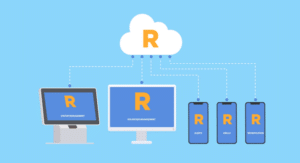
Raptor VisitorSafe and VolunteerSafe are designed to work together to support the unique needs of childcare environments. With Raptor, daycare and early childhood education teams can
- screen visitors during daily check-in using VisitorSafe
- manage volunteer applications, screening, and background checks with VolunteerSafe
- apply consistent policies across learning spaces and locations
- meet accreditation requirements and prove safety compliance
See how Raptor can help keep your daycare safer with comprehensive visitor and volunteer screening.
Frequently Asked Questions About Managing Visitors at Daycares
1. What does a volunteer management system do?
Volunteer management systems help daycares and schools screen, approve, and manage volunteers. The ideal software connects applications, background checks, and access controls in a single interface for consistent, repeatable processes.
2. What does a volunteer background check show?
Volunteer background checks review relevant records based on role and access level, including criminal history and sex offender registries, allowing daycares to identify potential risks and determine whether an individual should interact with children.
3. What are the 3 R's of volunteer management?
The three R’s of volunteer management are review, restrict, and record. Observing these three practices helps daycares ensure that volunteers are properly screened, that access is limited when needed, and that all decisions are documented consistently.
4. Should visitors be screened every time they enter a daycare?
Many daycares screen visitors at every visit to ensure access decisions reflect current information from both sex offender registries and internal custom databases, helping staff manage changing custody or access restrictions.
Related Resources
See how Raptor helped these YMCAs improve their visitor screening and uphold their commitment to safety for the children in their care.