Parents and caregivers are critical contributors to a culture of school safety. Collaborating with them can help schools better protect and support students.
Can parents play a role in preventing school crises?
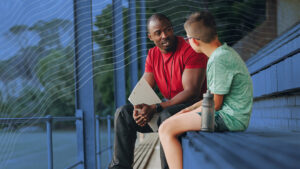
Yes. Prevention can—and should—start at home. Children often mirror the behavior of adults in their lives, meaning it’s important for parents to be good role models and learn how to effectively communicate with their children.
Dr. Amy Grosso, Director, Resident Expert at Raptor, advises parents to teach their children why certain behaviors are unacceptable and what types of consequences they will face if they continue to misbehave. It is not enough to simply tell a child or adolescent that their behavior is unacceptable.
This can be challenging, especially when it comes to social media. Most of the social media platforms students use today were not around when their parents were growing up. Parents may not understand the social media platform or be aware of the types of behaviors their children are engaging in online.
These behaviors are not always harmless. Not only is cyberbullying a concern, but an increasing number of students have started using social media to post swatting hoaxes as well as genuine threats against schools.
How can schools work with parents to address social media threats?
When it comes to social media threats, schools must be ready to act fast. Schools should have a plan to work with parents to monitor students on social media and identify potentially dangerous content they may be exposed to. For example, on a platform like TikTok, students may be encouraged to partake in viral challenges that could disrupt the learning environment and even threaten the safety of other students.
Aside from students posing threats to other students, schools and parents must also consider what to do when students pose a threat to themselves. Suicide is the second leading cause of death for teens in the U.S. It’s crucial to identify signs and symptoms early, as early intervention may help prevent a tragedy.
While it is important for parents to partner with schools and members of law enforcement, as Dr. Grosso notes, “A lot of the adults on social media [are] not great examples either.” She recommends educators partner with parents to teach them how to lead by example and how to have conversations with their children about social media safety.
Training parents on what to look out for
To teach parents about social media, schools can host informational sessions about best practices and what parents should look for when it comes to social media activity and trends. These sessions can be provided either in person, as part of an Open House or similar event, or virtually.
Schools can even partner with mental health professionals or law enforcement to lead these sessions. School staff can also be included, as it’s equally important that they know the signs to look for, too.
How can Raptor help?
Schools must be prepared to handle incidents before they arise. Raptor Emergency Management covers the preparation, response, and recovery stages of an emergency and gives schools peace of mind knowing they will be in complete control of any type of emergency they may face.
To learn more, contact us or submit a request to schedule a personalized demo.