The reach and impact of cyberbullying in schools has shifted significantly over the last decade, driven by two primary changes in student behavior online: how students are spending time online and how much time is spent.
Keeping up with the emergence of new platforms, tools, and threats is increasingly overwhelming for school staff, especially as dangerous and inappropriate online behavior can be hard to track and even harder to prove. Yet the duty of care still falls on schools to prevent bullying, respond to incidents, and protect student wellbeing.
Schools don’t have to know every new app or online trend to address cyberbullying. Understanding the current scope of cyberbullying, recognizing the warning signs, and having systems in place to respond effectively can help schools better protect students’ wellbeing on and off campus.
Table of Contents
Why Cyberbullying Is So Pervasive and Far-Reaching
In-person bullying behavior is repetitive and persistent, but it has natural boundaries, typically restricted to peer groups of limited sizes and the physical spaces and times where those students can interact. In these situations, outside of school hours and off school property, a student who is being bullied can usually escape the bullying.
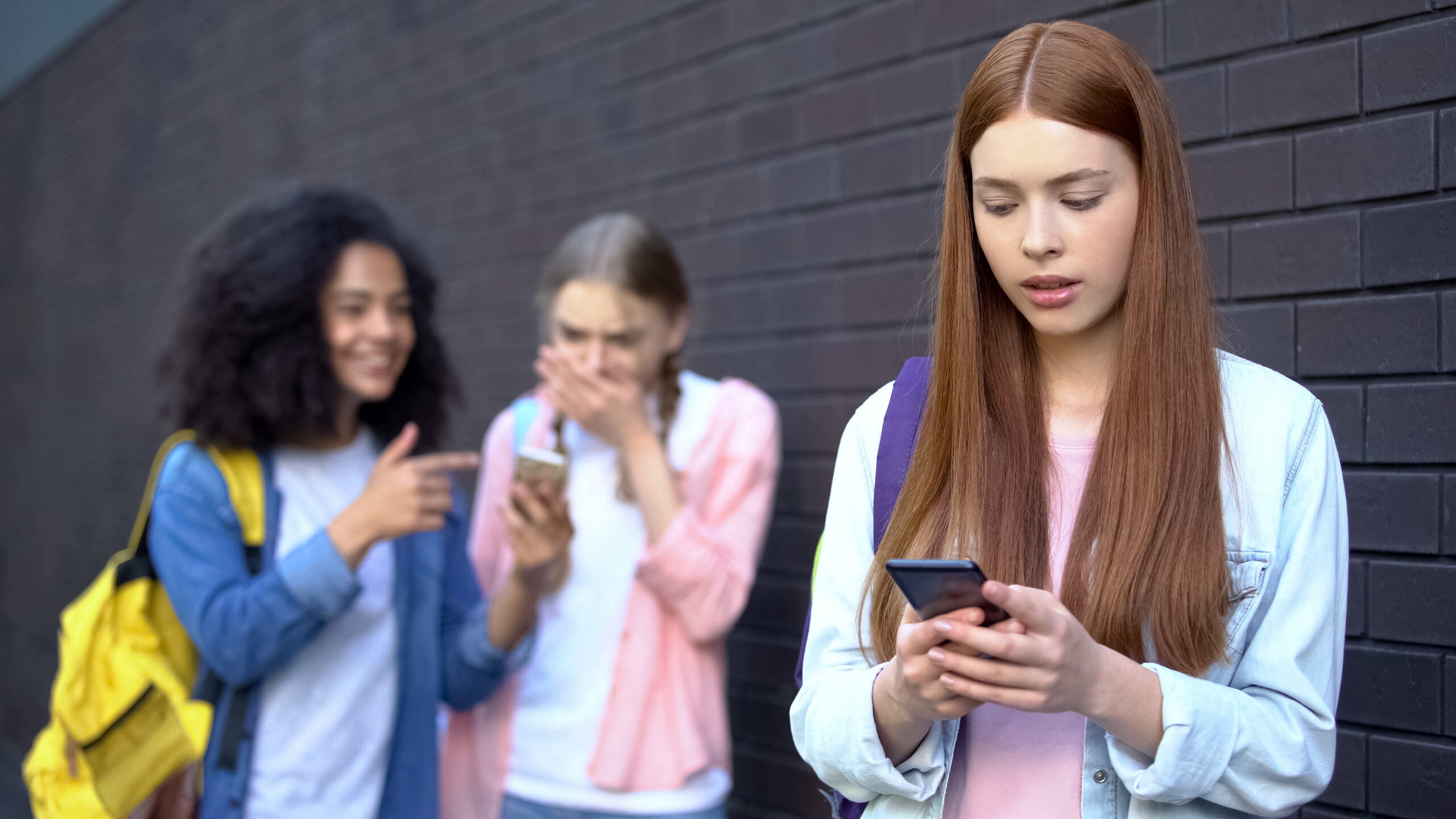
However, cyberbullying has no boundaries or limits. Students can experience cyberbullying
- any time they are online
- on or off campus
- from peers or strangers
- in private DMs or public forums
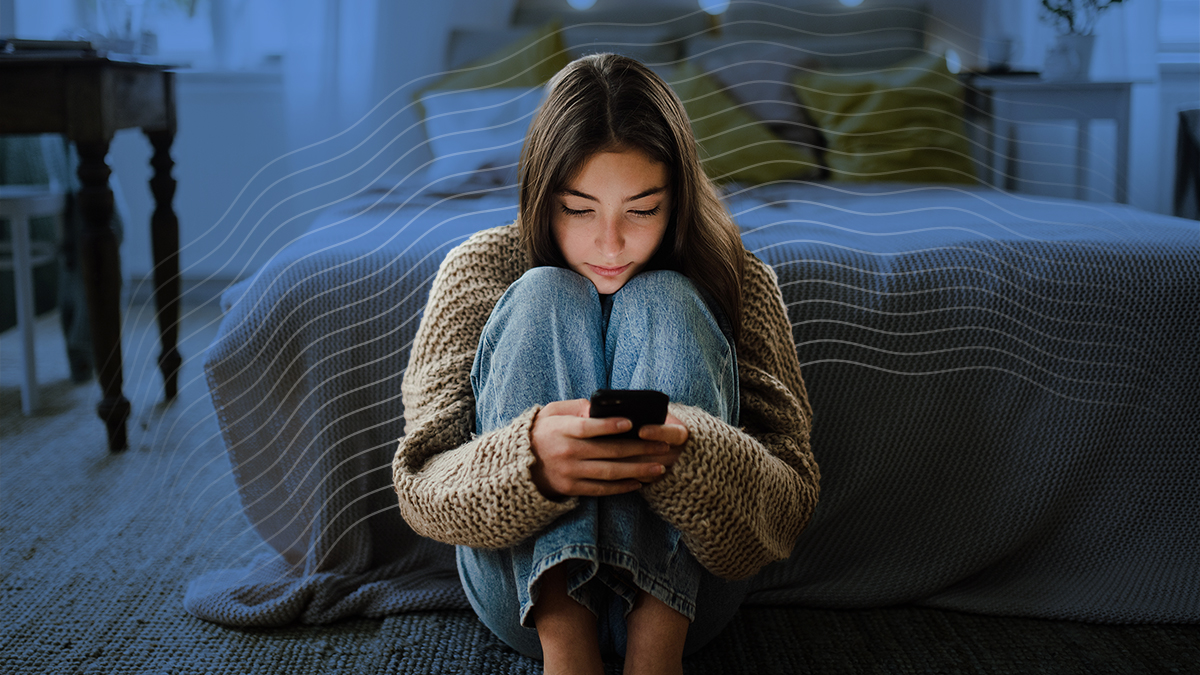
The amount of time students spend online has been steadily increasing, contributing to the pervasiveness of cyberbullying. In 2025, 36% of teens reported using one or more of the most popular social media sites (YouTube, TikTok, and Instagram) “almost constantly.” This creates continuous opportunities for harassment and bullying with no reprieve.
Cyberbullying Expands the Circle of Harm to Strangers and Other Peers
Cyberbullying also enables much further reach than in-person bullying.
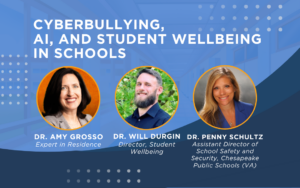
“When you’re on those social media platforms, it’s not just one or two students [doing the bullying],” says Dr. Penny Schultz, Assistant Director of School Safety and Security at Chesapeake Public Schools (VA). “It’s an overwhelming amount of responses, often with individuals making comments who aren’t known to the group or that [student].”
An incident that might have involved a handful of known peers can now draw responses from strangers, appear on multiple platforms, and spread faster than staff investigation can keep up with, all while being totally inescapable for the student being bullied.
Additionally, cyberbullying has evolved into a concern for students of any age. “With the digital literacy that we have, you’ve got younger and younger kids who can navigate their way online,” says Dr. Will Durgin, Director of Student Wellbeing at Raptor Technologies. “So, this isn’t just a middle school or a high school problem. You can see this as early as kindergarten.”
AI Has Lowered the Bar for Cyberbullying and Raised the Stakes
“When AI is mentioned, adults in education are often worried about students using it to cheat,” says Dr. Amy Grosso, Expert in Residence at Raptor Technologies. “But when you talk to students, their big concern is AI-generated content.”
This fear of AI-generated images or videos that look real and spread quickly is well founded. The volume of AI-generated harmful content involving minors, including fabricated explicit content, has grown significantly in the last two years alone. The National Center for Missing and Exploited Children has documented increases from thousands of images to hundreds of thousands within just a few years.
The impact of AI cyberbullying on student wellbeing can be severe, including
- Psychological harm. Deepfakes and AI-generated imagery carry a different psychological weight than derogatory comments, crude drawings, or even authentic compromising photos or videos. Because AI-generated content can appear hyper-realistic, students may feel a loss of control over their identity and bodily autonomy, even though the images are fabricated.
- Reputational harm. AI-generated content can spread quickly and widely, often outpacing a student’s ability to respond or correct the record. A fabricated image, video, or audio clip can shape how peers, teachers, and even family members perceive a student, regardless of its authenticity. It can also be difficult to track down and remove every instance of AI-generated cyberbullying. This permanence allows persistent damage to the student’s reputation, making it difficult for them to move past the incident or feel safe in their school environment.
- Legal liability. AI-generated sexually explicit images or videos containing a recognizable minor are considered child sexual abuse material (CSAM) by U.S. federal law. Depending on state law, students that produce this kind of content can face serious legal consequences, even as minors, for production and distribution of CSAM. Furthermore, school staff that become aware of this type of content have a mandated obligation to report, the same as they would for any other form of CSAM.
The increase in AI being used for cyberbullying is directly correlated to how much easier it has become to use this technology. “It’s lowered the bar for who can create this kind of content,” Dr. Will Durgin says, explaining how a single typed sentence can produce something that looks, sounds, or reads as real. “Before, you had to have some extra skill…Now it’s just too easy for [students] to do the wrong thing in some situations.”
Catching the Warning Signs of Cyberbullying
A student dealing with cyberbullying will often present signs of distress that staff should know to look for. These signs include
- withdrawal from peers or activities they previously enjoyed
- sudden grade decline
- increased absences or tardies
- sudden changes in mood or affect
- new difficulty concentrating
- sudden or drastic shifts in attire or appearance
These signs could be caused by other challenges, mirroring how mental health struggles and trauma can affect student behavior, which is why staff should understand how to communicate with students when they notice sudden changes in their behavior or appearance, rather than assuming the root cause.
Of course, this requires staff to be familiar with what is normal. “You don’t understand or really know changes in behavior and appearance unless you…know the kid,” says Durgin.
That’s why building healthy, strong relationships between students and staff—teachers, mentors, coaches, counselors, etc.—is a protective school safety strategy. Students are also more likely to come forward when something is wrong if they have adults on campus that they know they can trust.
“It doesn’t happen by luck,” Durgin states. “It’s not by chance. It’s a concerted effort day in and day out…If you don’t create that relationship, you’re going to continue to be reactive.”
Responding to Cyberbullying in Schools
There is no one way to stop cyberbullying, but there are strategies schools can use to respond more effectively, like
- Easy-to-use reporting systems. Students often know about concerns that staff and administration can’t see, particularly when it comes to cyberbullying happening in online spaces that staff don’t or can’t access. Reporting issues should be easy for students, through an anonymous tip reporting line or another well-established digital or in-person reporting avenue.
- Strong relationships. The most reliable early warning system is a student who trusts an adult enough to speak up. Students stop reporting when they don’t have a trusted adult or when they’ve reported before and nothing happened. Fostering genuine, strong relationships is a protective measure that builds this valuable trust.
- Mental health support. Providing easily accessible mental health support to students is important for both prevention and recovery. Students should know where to go for help and feel confident that they can ask for—and receive—help any time.
- Community support. Dealing with cyberbullying is often a multi-disciplinary effort. For instance, some schools may include cyberbullying in their behavioral threat assessment protocols to help prevent school violence. Pre-established relationships with local law enforcement, district IT and cybersecurity teams, and community student mental health resources can also help manage the fallout of cyberbullying incidents.
- Easy-to-follow bullying prevention workflows. Clear, step-by-step processes help staff know exactly what to do when a cyberbullying concern is reported or observed. A centralized system with intuitive workflows, guided intake forms, secure case tracking, role-based follow-up task assignments helps schools provide appropriate support, interventions, and documentation.
Preventing Cyberbullying in Your Schools
Schools simply don’t have clear visibility into every platform, AI tool, or social media trend that students may encounter online. For cyberbullying prevention strategies to work, schools must focus on having consistent policies in place, appropriate tools, well-prepared staff, and a strong infrastructure of trust between students and staff.
Student wellbeing software like Raptor StudentSafe can help school staff
- recognize concerns and trends earlier with shared data
- document interventions and prevention efforts for defensibility
- coordinate support for student wellbeing across teams
See how StudentSafe can help combat cyberbullying and improve student wellbeing in your schools.
Related Resources
Learn more about the signs and impact of bullying with our K-12 Guide on Bullying Awareness.