Student dismissal is one of the busiest and most complex periods of the school day, which is why it presents such a challenge for many schools from both a safety and operations standpoint. A structured dismissal plan is vital to a smooth, timely process that helps minimize safety hazards like accidents and unauthorized pickups.
Hassle-free student dismissals happens when schools coordinate traffic congestion management, verified guardian pickups, efficient bussing, and clear communication with parents. With consistent, standardized procedures and the right technology, schools can transform dismissal into a safer and more efficient process.
Table of Contents
Traffic Congestion Management
One of the primary concerns during school dismissal is traffic congestion. With multiple dismissal methods (carline, buses, and walkers), vehicle and pedestrian traffic around the school spikes significantly during a short window in the afternoon. To help prevent accidents, schools need an intentional, structured approach to managing traffic flow and pedestrian safety.
1. Establish Designated Pick-Up and Drop-Off Zones
Clearly defined pick-up and drop-off zones are a foundational part of dismissal traffic management, making congestion easier to manage, speeding up carline, and reducing accident risk.
Schools can strengthen these zones with visible signage, marked lanes, staff assignments, and clear expectations for where students and families should wait. When campus layout allows, separating buses, carline traffic, walkers, and special transportation can further streamline dismissal traffic and reduce safety gaps. Schools can work with local authorities to map out these routes and zones for more efficient use of available space.
2. Implement Real-Time Traffic Coordination
Keeping traffic moving requires cross-team coordination and real-time visibility. Schools should have clearly defined processes for how staff communicate across carline positions, how vehicles are queued, and how student names or pickup numbers are shared with the right staff for safe student release.
Digital dismissal systems, like Raptor DismissalSafe, support this process by allowing staff to
- add cars to the dismissal queue
- search by student, pickup person, carpool number, etc.
- see how many vehicles are in the loop
- quickly share who’s authorized to pick up each student
By monitoring vehicle movements, schools can ensure a smoother and safer school dismissal process.
3. Collaborate With Local Authorities
Coordinating with local law enforcement or traffic control officers adds an extra layer of safety and authority to dismissal traffic management. Officers can help
- enforce pick-up zone boundaries
- uphold school zone speed limits
- manage congestion at key intersections
- respond quickly to incidents
Establishing this relationship before problems arise is one of the key steps to bridging the gap between schools and public safety, making dismissal time safer for staff, students, and the community.
Preventing Unauthorized Pickups
High activity and the increased number of people on campus make it easier for unauthorized individuals to attempt a pickup. Unauthorized pickups are one of the more serious elementary school dismissal challenges, because of the age and vulnerability of the students, but they can pose risk at any grade level.
According to the 2026 School Principal Survey conducted by Raptor Technologies, 40% of principals consider preventing unauthorized pickups as their top priority for dismissal management.
4. Build a Robust Verification System
Staff need a consistent way to confirm that each student is released only to an approved parent, guardian, caregiver, or pickup person. In some schools, particularly smaller schools in tight-knit communities, this system relies on staff memory and recognition. Unfortunately, informal processes like that expose the school to legal risk and students to potential harm.
A strong, formal verification process should
- include up-to-date authorized pickup lists
- provide a way to flag custody restrictions or special instructions
- be standardized across all pick-up methods
- be easy for staff to follow quickly, even during busy carline
Schools can further strengthen this process by using a visitor management system, like Raptor VisitorSafe, to help maintain consistent visitor identify verification protocols throughout the school day.
5. Set Up Real-Time Alerts and Notifications
Last-minute changes to pickup authorizations creates a common point of confusion and risk during dismissal. These changes often happen late in the day. If schools are relying on manual or paper-based systems, dismissal changes might not reach the right staff in time, resulting in students being sent to the wrong location or held in confusion.
Schools need a way to communicate dismissal plan updates quickly through a shared interface. Automated alerts that route directly to the relevant staff members, rather than relying on phone trees or manual handoffs, help everyone stay on the same page, reduce delays, and avoid unauthorized pickups.
6. Integrate Secure Student Release With Your SIS
Outdated paper forms, manual data entry errors, and staff working from conflicting records all create openings for unauthorized pickups. Using a dismissal system that integrates with their student information system (SIS) can help schools reduce such risks.
When dismissal processes pull directly from the school’s SIS, staff have accurate, up-to-date authorization data that they can access quickly during busy dismissal windows to verify identity and authorization status for would-be pickup personnel.
Coordinating Bus Transportation
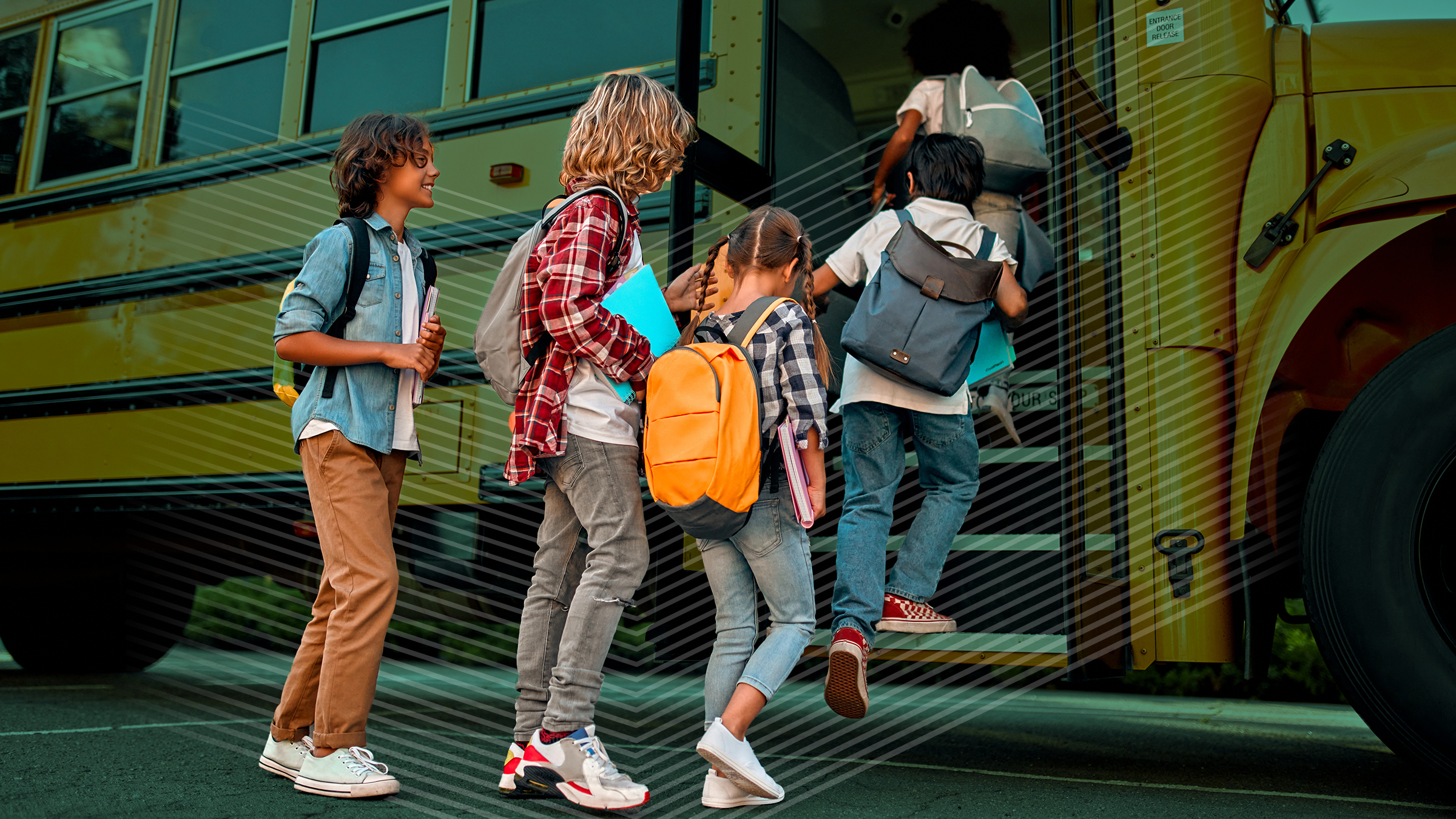
For bus operations to run smoothly, students need to be in the right place at the right time. Any disruptions or delays can escalate quickly, rippling out across the whole dismissal process. Schools can strengthen school bus safety for students and streamline operations by taking a few proactive steps.
7. Streamline Bus Boarding and Departure Tracking
Making sure students board the right buses and confirming safe departures is difficult without a structured system. Students may need to board different buses based on last-minute changes, split households, after-school arrangements, or transportation accommodations.
Real-time tracking of bus boarding and departures using dismissal software allows staff to confirm student locations, identify students who missed their bus, and communicate with transportation teams more effectively. This kind of visibility also supports faster response when something goes wrong.
8. Maintain Clear Communication With Drivers
Schools should establish clear communication with transportation teams to reduce delays and confusion. This may include
- paper and digital route sheets
- radio communication
- digital updates via a centralized app
- verbal confirmation by designated staff
While many schools choose to use a combination of communication methods, establishing a single, centralized channel is often the most effective method. The ability to share real-time updates with student information and last-minute schedule changes helps keep school staff and transportation staff on the same page. This is especially important when routes change, students are added or removed from buses, or transportation is delayed.
9. Develop Contingency Planning
Dismissal plans should account for the unexpected. Buses might run late or break down, severe weather might impact certain bus routes, or a student might miss their assigned transportation.
Schools that have contingency plans in place—and have clearly communicated those plans to staff, drivers, and families—can respond faster and with less chaos when things go wrong. Building these scenarios into dismissal planning rather than improvising in the moment reduces risk to students and burden on staff. It’s also helpful to have a dismissal system with real-time alerting capabilities, to allow staff and drivers to quickly communicate.
Preventing Confusion for Parents
Parents and guardians are essential partners for safe school dismissal, particularly for lower grade levels. If they receive inconsistent or untimely information, dismissal procedures can easily break down.
10. Establish Clear Communication Channels
Parents need to know the student dismissal process: where to go, when to arrive, how changes are communicated, and who to go to with their questions. When that information is scattered across multiple locations, like an old email or a single flyer from the first week of school, confusion is inevitable.
Schools should establish a single, reliable communication channel for dismissal-related information and reinforce it consistently throughout the year. Mobile-friendly parent communication apps, like the Raptor Safe App, can create a secure, two-way channel for
- schools to push real-time notifications directly to families
- guardians to update dismissal plans, including authorized pickup lists
Streamlined communication reduces confusion and unnecessary traffic on the school’s phone lines.
11. Use Consistent Messaging Across All Staff
Inconsistent messaging from different staff members can erode parent confidence and create additional confusion. To reduce late changes and frustration during already busy dismissal windows, families should hear the same dismissal expectations from teachers, office staff, administrators, and transportation teams.
For example, if the school policy doesn’t allow carline changes after 2pm, but a classroom teacher assures parents that late changes are fine, parents will be understandably frustrated when they can’t make that change through the dismissal management app.
Schools can improve consistency by publishing dismissal procedures, reviewing them with families at the start of the year, and reinforcing expectations after schedule changes or recurring issues. Staff should also receive the same talking points so they can answer family questions clearly.
12. Engage Parents and Guardians
When families understand the process, follow the procedures, and have reliable tools to communicate changes, schools spend less time managing exceptions and more time supervising students. Schools can strengthen family engagement by communicating procedures early, explaining why policies exist, and making it easy for families to follow the process.
It can also be helpful for schools to implement programs like the AAA School Safety Patrol. School Safety Patrol is free for schools to participate in and supplies the tools, training, and equipment to involve older elementary students in leadership and school safety, including traffic safety. By engaging students in traffic safety, schools have the opportunity to further educate parents about the dismissal period and how they can help keep school zone traffic moving safely and efficiently.
Streamline Transitions to After-School Programs
Dismissal isn’t always the end of the school day. For some students, dismissal involves a handoff to after-school care, tutoring, sports, or other activities and programming.
13. Coordinate Handoffs
Helping students transition smoothly to after-school programs requires careful coordination and communication between school staff and program facilitators, particularly when working with external partners like a Boys and Girls Club or YMCA instead of on-campus after-school care. Schools should have clear handoff protocols to establish
- who is responsible for each student
- how attendance/departure is confirmed
- what happens if a student is absent
Using a system with digital tracking for student sign-ins/sign-outs can help schools increase accountability for these kinds of after-school transitions.
14. Use Real-Time Activity Tracking
Just like with carline and bus departures, a student’s participation in scheduled after-school activities can change on short notice. If a student gets signed out early by a parent and doesn’t arrive at their after-school care program, the after-school staff might not hear about the change and could cause some panic trying to find out where the student is.
Using a shared, real-time system that allows all staff to see updates to student’s dismissal plans helps avoid false alarms and gives staff confidence to act quickly when a student is unexpectedly absent without approval. A tool with configurable after-school activities lets schools account for students whereabouts beyond carline and bus routes.
15. Send Automated Notifications
Parents whose children participate in after-school programs often have limited visibility into whether their child arrived at the program safely. Sending automated notifications that confirm student check-in help keep parents informed and reduce any anxiety about their child’s whereabouts.
In the instance of a student who doesn’t arrive as expected, an automated notification can help schools quickly confirm with the parent if their dismissal plans changed last minute but isn’t a substitute for following the full protocol for addressing a missing student, which may include notifying law enforcement and campus security.
Enhancing Student Supervision
Decreased student visibility at dismissal time can lead to disruptive behavior, safety risks, and reduced student accountability. These strategies can help schools address blind spots during dismissal without adding burden to their staff, who are often already stretched thin.
16. Implement a Staggered Dismissal System
Releasing all students at the same time creates more opportunities for something to go wrong with the highest amount of traffic (vehicle and pedestrian) and the lowest amount of supervision per student. Implementing a staggered dismissal system instead allows schools to
- release students in waves by grade level, transportation method, or location
- reduce the number of students crossing campus at one time
- give staff more manageable groups to monitor, reducing opportunities for bullying and student accidents
17. Improve Staff Coordination
Defining roles clearly can help schools develop a smoother and safer dismissal process. Staff should know who is responsible for which area and task, including
- who manages carline
- who supervises walkers
- who handles the bus loop
- who monitors the after-school transition
- how to address accidents and emergencies
- what the contingency plans are for staff who are out sick, inclement weather, non-operational buses, etc.
When roles aren’t clear, staff may take on certain tasks or roles informally or wherever they see a need, which can lead to role overlap, confusion, and risk if certain critical tasks remain unmanaged.
Reporting and Accountability
Transitioning students from the school’s care into the care of their parent or guardian is an area of high risk and liability for schools. Strict student accountability practices and rigorous data integrity can help schools prevent unauthorized pickups and accidents while creating a defensible paper trail.
18. Maintain Data Accuracy and Detailed Reporting
Having a clear record of how students were released and to whom helps dismissal run more smoothly and provides a valuable record in the event that anything goes wrong. Detailed reporting for dismissals, pickups, and bus operations helps schools
- respond to parent concerns about student whereabouts
- resolve disputes over authorized pickup personnel
- provide official records for auditing purposes
For even more accurate and reliable dismissal records, schools should look for a dismissal system that integrates with their SIS directly, rather than from manually entered lists.
19. Enhance Accountability With Access Controls
Schools should look for a dismissal management solution with configurable permissions, allowing them to assign specific access levels to specific staff members. For example, carline staff should have access to the information they need to verify pickups. Classroom or traffic control staff don’t need that sensitive authorization data and should have different access clearance.
Specific permissions like this help improve data security, privacy, and parent trust.
Reimagine Dismissal Safety
Addressing safety challenges at school dismissal requires comprehensive planning, clear communication, and the involvement of all stakeholders. The strategies outlined above can help schools create a safer environment for students, particularly when paired with a centralized dismissal management system like Raptor DismissalSafe.
To learn more about how DismissalSafe can help your school build a safer, more efficient dismissal experience for staff and students.
Related Resources
Raptor SchoolPass Helps Greenwich Country Day School Cut Dismissal Wait Times in Half