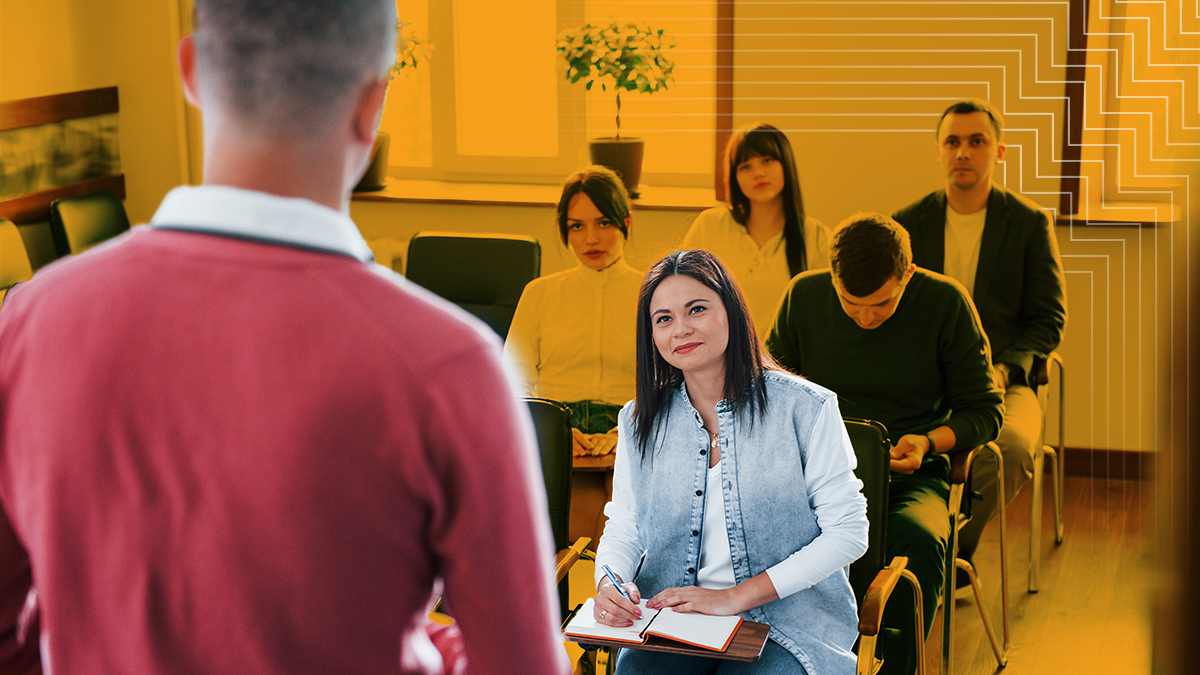
Private schools manage the safety and wellbeing of their students just like any other K-12 schools, but they often do so without the state-mandated training requirements and support that pushes public schools to build and maintain safety competencies across their staff. But the absence of a mandate doesn’t equate to an absence of risk or responsibility. There are eight areas that administrators need to consider when implementing structured safety training in private schools.
Without compliance requirements driving methodology, intentional training programs become the difference between a safety plan that exists on paper and one that works under pressure. Private schools can adopt safety training that strengthens campus safety and staff confidence with deliberate, documented, and role–specific practice.
Table of Contents
Why Do Private Schools Need Structured Safety Training?
Private schools have different advantages when it comes to school safety: smaller campuses, tighter communities, and closer relationships between staff and families. But there are also inherent challenges.
Teams often operate at or above capacity, and they may lack the institutional infrastructure that public districts rely on, like dedicated safety coordinators, district-level compliance requirements, and state funding for preparedness programs.
Structured safety training helps schools move beyond check-the-box compliance and implement training that is more
- Deliberate. Private schools often have the flexibility to build their safety training programs brick by brick, choosing courses and training that are closely aligned to their specific environment, needs, and goals.
- Defensible. Even without state requirements to comply with, private schools are expected to take reasonable steps to protect students, staff, and visitors. Consistent, documented safety training helps schools prove those efforts are happening should the question of liability arise after a crisis.
- Role-specific. Targeted training helps staff better prepare for situations they are most likely to face, from front-office staff handling custody concerns to teachers initiating a lockdown. This specificity is particularly important for private schools where teams are small, and one person may fill several roles.
Private Schools Face Real Safety Risks
Many private schools have similar risks, campus concerns, and student activities that rely on robust safety training and protocols. Yet still, one of the most common barriers to investing in private school safety initiatives, like safety training, is the belief that the risk level at a private school is lower than at other institutions. Administrators bear the burden of communicating the challenges of physical and emotional safety on their campus to board members who would approve spending funds on training.
During a semester, private schools manage
- open houses
- parent and visitor traffic
- volunteer access
- student wellbeing and mental health
- after-school programs
- athletics and field trips
- emergency communications
These are similar to public schools’ events, which means responses to emergencies should be adequate to the situation. During a crisis, private school staff may have to make fast decisions with incomplete information and rely on their training and safety planning under stressful conditions.
The belief that private schools don’t face normal K-12 threats and safety risks can become a liability itself, shaping budget decisions, staff onboarding priorities, and how seriously leadership takes school emergency preparedness training.
1. Private Schools Aren’t Exempt from the Threats Public Schools Face
Private school enrollment has grown significantly over the past several years, which means more students on campuses and more exposure to the same range of potential threats that public K-12 schools face, like
- unauthorized access or unknown visitors on campus
- medical emergencies and student health crises
- escalation of behavioral or mental health concerns
- custody disputes during drop-off and pick-up
- student accountability during severe weather, lockdowns, and evacuations
- heavier campus traffic during arrival/dismissal and events (sporting events, performances, back-to-school night, etc.)
While the risks are often the same as those public schools face, what differs is the level of preparedness infrastructure that private schools typically have in place. That’s a gap that structured safety training for private schools can help address by
- replacing assumptions with practiced procedures
- identifying gaps between perceived and actual readiness
- clarifying expectations for each role in high-stress moments
2. Private Schools Have Fewer Mandates but Still Need to Train Staff
Most state-level safety training requirements apply to public schools and local education agencies. Since private schools are often exempt, it can create a false sense of security: If the state doesn’t require it, maybe it isn’t necessary.
But the absence of a mandate doesn’t reduce the standard of care that families expect, nor does it absolve schools of the legal responsibility they hold for student and staff safety. In the wake of an incident, like an active shooter or a suicide attempt, private schools must be able to answer key questions, including
- Were staff trained in relevant procedures and their individual roles?
- Was training documented and current at the time of the incident?
- Were protocols clearly communicated and reinforced?
- Can the school demonstrate a pattern of reasonable care?
- Did the school have a consistent process for escalating concerns? And did staff know how to do it?
- Did the school’s training and protocols reflect the specific risks of its campus, student population, or environment?
- Were students properly accounted for when the incident began?
If leadership cannot provide satisfying, defensible answers, a school could face significant risk, typically without the district-level legal resources that would back up a public school in the same situation.
An effective private school safety training program helps schools
- clearly document who was trained, on what, and when
- define expectations across roles and reduce confusion
- keep a record of drills, refreshers, and policy acknowledgement
This is especially important for private schools who are accountable to boards and ownership groups. Training provides proof that safety efforts are intentional and organized.
Private School Environments Create Unique Vulnerabilities
The environment that defines the private school experience—smaller staffs, unconventional facilities, deeply familiar communities—are genuine strengths in most contexts. In a safety context, they can introduce a specific set of challenges that generic training programs aren’t built to address.
3. Everyone Carries More Responsibility in an Emergency
In a large public school district, safety roles tend to be distributed across dedicated personnel, like safety leaders, school resource officers (SROs), and even district-level emergency managers. In a private school, the teacher leading third period may also be the carpool coordinator, the field trip chaperone, or the first adult a student finds in a crisis.
Role-based safety training helps staff prepare for specific scenarios and build the muscle memory that comes from repeated practice. Staff wearing multiple hats often don’t have the luxury of deferring to someone whose full-time job is safety, so safety training for small schools must reflect that reality.
Role-based training at private schools should
- be tailored to real scenarios staff will face in their roles
- provide staff with clarity about their first responsibility in a crisis
- clarify the chain of communication and responsibility
- account for how staff roles change by situation or time of day
This kind of structured training helps everyone, regardless of their primary role, know what to do in sequence and without hesitation. For private schools operating with smaller teams, that shared readiness is critical and can help fill the gap that a large district does with specialized staff.
4. Non-Traditional or Shared Facilities Create Safety Blind Spots
Many private schools operate in buildings that weren’t originally designed for K–12 education, like converted houses of worship, leased commercial space, or multi-tenant campuses shared with other organizations. These environments come with access control challenges that a purpose-built school building simply doesn’t have.
Common physical safety concerns include
- multiple entrances that are difficult to secure
- shared common areas
- temporary or modular classrooms
- non-standard exit routes
- visitor flows that are hard to monitor
These environments require more intentional planning and safety training that accounts for the specifics of unique private school campuses.
Staff can benefit from learning how to
- practice procedures and safety drills in the actual space (e.g., using the real evacuation routes during evacuation drills)
- identify blind spots before incidents occur (e.g., an unsecured entry point)
- align staff expectations for arrival, dismissal, visitor management, and events
5. Familiarity Can Become a Security Liability
Small, close-knit private school communities are an asset in many ways. Staff know most families by name, students feel known by their teachers, and that sense of belonging is often exactly what parents are paying for.
But familiarity can also create safety vulnerabilities, like
- skipping sign-in procedures for familiar faces
- holding doors or bypassing access controls
- overlooking badge or visitor policy issues
- making informal student release decisions
- not enforcing custody agreements because the situation feels too personal
Training can help staff recognize when social pressure is creating procedural gaps and builds the habit of applying protocol consistently and fairly, regardless of how well someone is known. Custody issues can change quickly, and so can the status of sexual predators. The goal isn’t to make a warm community feel institutional but to keep potential bad actors from exploiting safety gaps and taking advantage of trusting staff.
Private School Safety Training Provides Defensibility
For private school leadership, the conversation around safety training often stalls at cost and capacity. But the return on a structured training program extends well beyond avoided risk. It carries over into how staff show up to their jobs, how parents feel their children are protected physically and emotionally, and how schools can defend their protocols should a lawsuit occur after an incident.
6. Structured Safety Training Builds More Than Just Compliance
Private schools operating without a mandated training framework actually have something public schools often don’t: the freedom to build a school safety culture that’s proactive rather than reactive.
When training is driven by mandate, it tends to be shaped by the minimum requirements of that mandate. When it’s chosen deliberately, it can be built around what the school actually needs.
Done well, structured safety training helps private school staff
- feel genuinely empowered rather than anxious
- practice a shared language for emergency situations
- build the confidence that comes from real, targeted practice
- understand their roles for day-to-day responsibilities and emergency response
- improve student wellbeing and behavioral concerns through proven methodologies like social emotional learning (SEL) and positive behavioral interventions and support (PBIS)
That level of staff confidence and preparedness is an invaluable and often overlooked piece of any private school emergency plan and it’s only achievable through proactive safety training.
7. Preparedness Is a Differentiator for Enrollment and Parent Trust
Parents choosing private schools are already conducting deliberate research. They’re comparing academic programs, extracurriculars, class sizes, and, increasingly, campus safety practices.
Private schools with strong staff training programs can speak clearly and specifically with parents about
- how staff are trained
- how often drills are conducted
- how they maintain their emergency plan
In a competitive private school market, that ability to say “here’s exactly how we prepare our staff” is a differentiator that many schools aren’t currently leveraging. When families feel confident that a school is taking safety seriously, they are more confident about enrolling their children and referring others.
8. Training Creates a Documented Record That Helps Protect the School
One of the most practical outcomes of a structured safety training program is the paper trail it creates. Proof that training happened, who completed it, when it was last updated, and how it maps to the school’s Emergency Operations Plan is exactly the kind of documentation that matters in the aftermath of an incident or a near miss.
For private schools operating without district-level infrastructure, building and maintaining training records has to happen by design. A documented training program
- provides leadership visibility into who is and isn’t keeping up with their training
- helps schedule recurring tasks, like regular drills and annual training
- demonstrates due diligence to families, insurers, and legal counsel in the event of an emergency or incident
The best time to invest in structured, documentable safety training is long before any incident occurs. It helps build your staff’s readiness to respond to emergencies and lays a defensible foundation for your school to prove that they carried out their duty of care for staff and students.
Building Better Private School Safety Training
Improving your private school’s safety training isn’t about meeting mandates designed for public schools. It’s about creating a safe, prepared school for the staff, students, and families you serve.
A structured approach helps private schools
- define cadence for initial training and refreshers
- set role-based expectations for different staff groups
- document completion and accountability tracking
- enforce campus-wide procedures consistently
- maintain ongoing review after drills or operational changes
Software like Raptor’s Safety Training and Compliance Suite can help manage all those moving parts. See how private schools like yours use Raptor to improve safety training and build staff confidence, parent trust, and student safety.
Recommended Resource
Strengthen your school safety strategy further with our free-to-download Comprehensive Private Schools Safety Guide.
Learn how Raptor can help make your schools safer
Featured Case Study
No posts found!