Dismissal hours are a complex, chaotic, and risk-sensitive time for elementary schools in particular. Younger students rely on adults to manage every step; families need clear communication; and school neighborhoods are impacted by traffic and congestion.
Elementary school dismissal procedures must ensure every student is released safely while managing traffic, communication, and time constraints. Schools can reduce risk and improve efficiency by standardizing workflows, centralizing communication, and using real-time coordination across all dismissal locations.
Table of Contents
Why Dismissing Elementary Students Takes More Caution and Planning
During dismissal, elementary schools try to achieve two main goals:
- Organize a chaotic process. Staff must manage carlines, buses, walk-ins, and after-school care programs at the same time. On top of all that, parents often submit last-minute changes, and staff are spread across multiple locations.
- Maintain their duty of care. Schools are responsible for ensuring each student is released correctly and safely, often within a very short time frame and while navigating increased traffic. There is little margin for error.
Balancing these demands is difficult without a strong, centralized process in place. Addressing some of the most common operational and safety challenges can help elementary schools streamline their processes and improve student safety during school dismissal.
1. Multiple Dismissal Locations and Methods
Elementary school dismissal is a process with multiple moving parts all happening in parallel. In fact, according to the 2026 School Principal Survey conducted by Raptor Technologies, nearly half of principals (49%) consider coordinating across multiple methods to be their top dismissal challenge.
Common complications include
- multiple dismissal/pickup methods (e.g., carline, buses, walkers, after-school care or activities)
- multiple dismissal locations (e.g., carline at the front of campus, bus line at the back of campus)
- multiple conflicting or coinciding schedules (e.g., carline running at the same time as bus release)
In many schools, different dismissal locations and methods are managed separately, which makes it harder to keep everyone aligned on where students should be and when. Small gaps, like a delayed bus call or last-minute carpool change, can ripple across the entire dismissal process and slow everything down.
How to help solve multiple dismissal locations
- Standardize workflows. Mapping out the process and testing procedures with buy-in across teams and dismissal types helps create a smoother experience.
- Assign a single dismissal coordinator role. When no one person owns the full picture, information gets siloed by location. A designated dismissal coordinator (even when rotated among roles) creates one accountable point of contact who can see across all modes and intervene when something is off.
- Sequence your release order deliberately. Many schools dismiss all modes simultaneously by default rather than design. Staggering the sequence (e.g., buses first, then walkers, then carline) based on your campus layout and volume can reduce overlap and competing foot and vehicle traffic.
- Implement a real-time dashboard. Software like DismissalSafe can manage multiple locations, dismissal types, and last-minute requests more uniformly than multiple people and paper sheets.
2. Communication Breakdowns and Last-Minute Changes
Dismissal plans can change throughout the day as initiated by parents and guardians, which may include
- updates to which guardian will pick up the child and when
- carpool group changes or last-minute additions
- students switching from carline to bus or vice versa
Parent phone calls, emails, and paper notes force staff to manually track and route every change, meaning critical updates can easily get lost or arrive too late. Outdated information requires staff to make decisions in the moment and without full context, which can create confusion across pickup areas and slow the entire process.
Other times, dismissal changes come from the school and must be communicated to the parents. This can be the case for
- temporary bus route or transportation changes
- early dismissal due to inclement weather or other emergencies
Without a reliable way to communicate these changes to parents, schools can introduce unnecessary stress and safety risks.
How to help solve last-minute changes
- Establish a cut-off time for same-day changes. Do not allow parents to make changes to pick-up requests within an hour of dismissals. This helps staff avoid missing critical updates so they can focus on getting their process running smoothly.
- Designate one intake point for all change requests. Whether the requests come in by phone or text, all requests need to be centralized so the designated dismissal coordinator has a clear picture.
- Create a protocol for school-initiated changes. In an emergency, staff may respond to the urgency rather than the process. Establishing clear protocols and training on them regularly can help maintain order when tensions are high.
- Implement software that provides real-time updates. Schools can use apps like Raptor Safe App paired with DismissalSafe to give parents an easy way to make change requests up to a certain point. Those requests are automatically centralized and updated for staff, so no one has to try to keep track on their own.
3. Only Releasing Students to Authorized Guardians
Verifying that a student is being released to the correct parent or guardian at the end of the day is one of the most important aspects of dismissal. Yet in many schools, staff might not have access to a single, up-to-date source of truth for authorized pickup information. Lists may be outdated, stored in multiple places, or difficult to access quickly during dismissal.
Staff have to balance considerations like
- extended family members or caregivers who may pick up on different days
- last-minute changes to authorized pickup due to schedule conflicts or emergencies
- custody considerations or restrictions that must be followed precisely
- carpool groups with shared or rotating pickup responsibilities
Releasing students to the correct individual is a critical safety responsibility. An unauthorized pickup can create stress for parents, raise legal concerns if there’s a custody dispute, and put the student at risk of harm.
In high-volume dismissal environments, relying on memory or scattered records increases the chance of dangerous mistakes.
How to help solve unauthorized pickups
- Require photo ID verification for authorized non-primary guardians. Many schools have this policy on paper but don’t enforce it consistently during high-volume dismissal. Building it into staff training and making it a non-negotiable step, rather than a judgment call, removes ambiguity in the moment.
- Formalize carpool groups through documentation. Rotating carpool responsibilities are one of the most common sources of unauthorized pickup confusion. Having each carpool group formally documented and updated at the start of each semester gives staff a defensible record to work from.
- Train staff on how to handle a disputed or uncertain pickup. When a staff member isn’t sure whether someone is authorized, they need a clear, calm script: how to delay the release, who to call, and how to manage an upset adult in a public setting.
- Access chain of custody records digitally. DismissalSafe provides clear chain of custody records for bus lines, carlines, and walk-ins. Parents receive real-time updates and alerts for their child’s location and pickup status.
4. Traffic Congestion and Safety Risks
Carline and pickup zones can be notoriously congested, especially when volume exceeds available space or processes are inconsistent. Stop-and-go traffic, unclear directions for drivers, and long wait times create pressure on staff and increase the risk of traffic-related injuries. This includes not only vehicle-to-vehicle incidents, like fender benders and near-misses, but also vehicle-to-pedestrian injuries.
Research from the Insurance Institute for Highway Safety (IIHS) has found that the front-end height and blind zones of these types of vehicles make it harder for drivers to see pedestrians—particularly shorter pedestrians, like elementary school aged children. Thus, elementary school dismissal zones require extra safeguarding measures.
How to help solve traffic congestion and safety
- Organize dismissal groups by location or time to help reduce overlap or congestion (e.g., bus dismissals occur first).
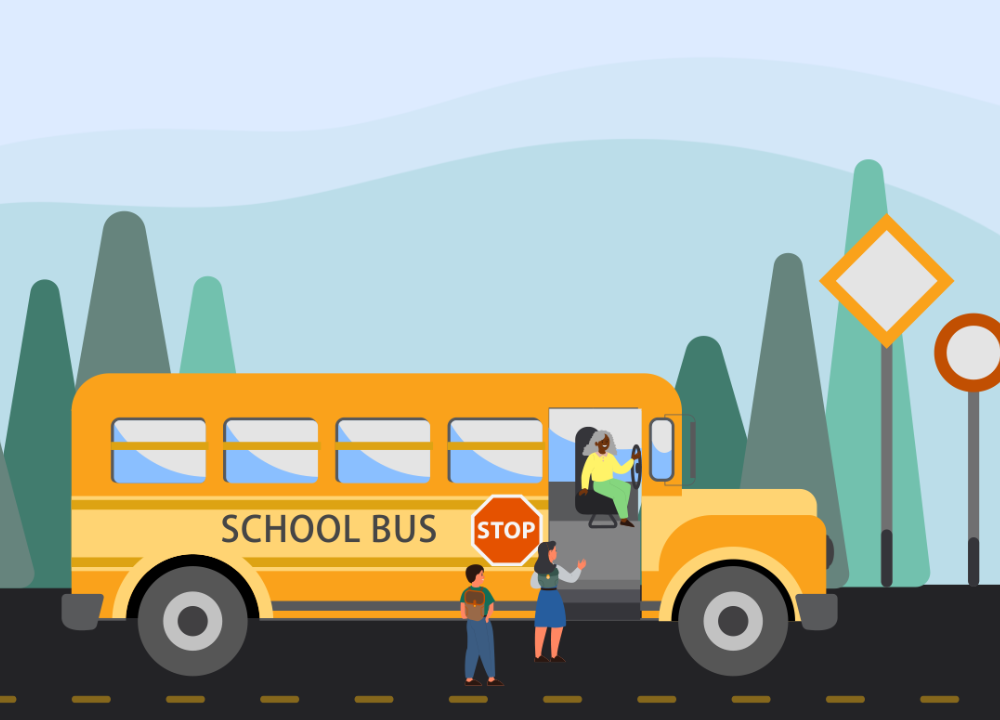
- Educate staff and students on bus safety and how to keep bus areas clear of pedestrian traffic.
- Assign trained crossing guards and clearly defined staff roles at key points (e.g., crosswalks, loading zones, entrances).
- Create designated pedestrian pathways and keep them separated from vehicle traffic using cones, barriers, or painted routes.
- Use clear signage and traffic direction (e.g., one-way patterns, drop-off vs. pickup lanes) to reduce confusion for drivers.
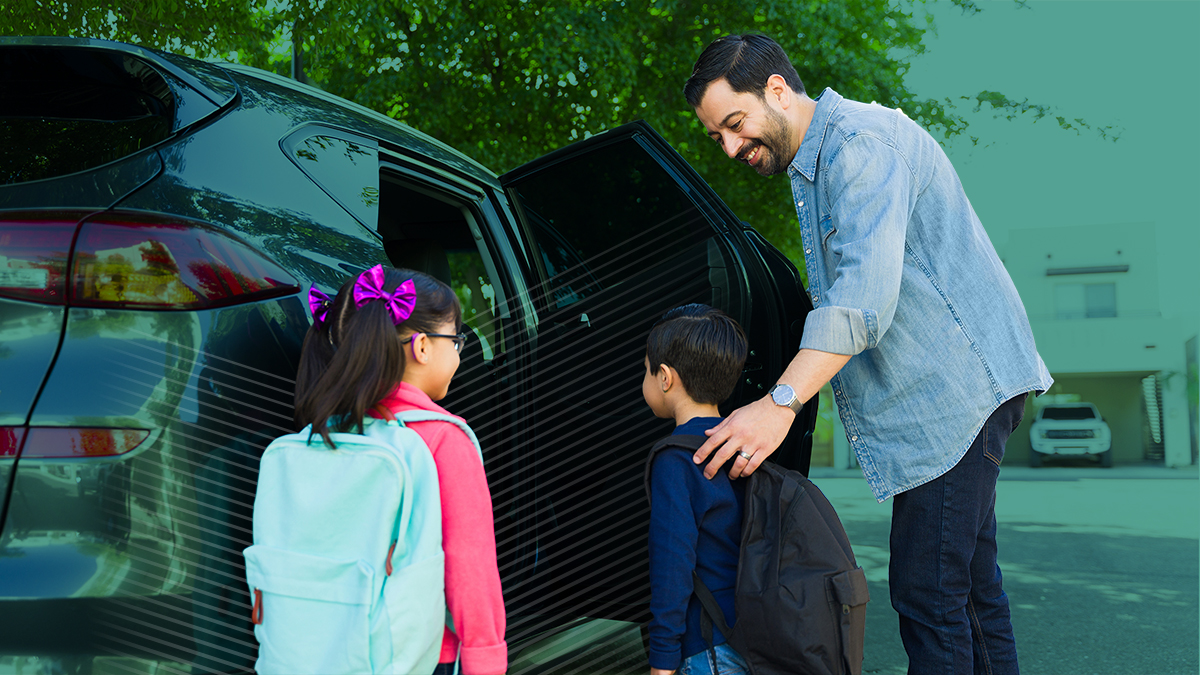
- Establish controlled loading/unloading areas so students don’t walk between moving vehicles.
- Coordinate with local law enforcement or traffic officials when needed for high-volume campuses.
- Install ALPR (license plate reader) and connect to software that alerts staff which guardian or carpool has arrived so students can be dismissed and quickly get into the car, reducing wait times in the lane.
- Use QR codes to easily scan and verify the pickup against a software database, so students can be released to an authorized individual quickly without manual verification.
5. Time Lost to Inefficient Dismissal Processes
Dismissal delays rarely happen for just one reason. In most schools, they build over time as small inefficiencies compound across the process.
These delays have a clear and measurable impact on the school day, including
- loss of instructional time at the end of the day to accommodate a longer dismissal period
- increased workload and stress for staff who must manage extended or chaotic dismissal periods
- longer wait times for families in carline or pickup areas
Even a few seconds of delay per student can add up quickly when hundreds of students are moving through dismissal at once. Because these delays are the result of multiple small breakdowns across the process, they cannot be solved by focusing on just one area. Improving dismissal processes requires coordinated changes.
How to help solve lost time
- Reduce manual handoffs. Every time information passes among staff (a note from the office to the carline, a radio call to confirm a bus is loaded) there is a potential delay point. Eliminating unnecessary handoffs is one of the fastest ways to recover time in manual systems.
- Track dismissal duration over time. Schools that don’t measure dismissal time have no baseline to improve against. Even a simple log of start-to-finish duration each day, maintained over a semester, reveals patterns: which days run long, whether things are improving after a process change, and where to focus attention next.
- Implement a unified platform that eliminates handoffs and streamlines workflows. When carline, buses, and after-school care run through one system, the information a staff member needs is at their fingertips, rather than a chain of radio calls, paper notes, or conversations that all add up to minutes of lost time.
6. Lack of Real-Time Visibility and Accountability
During dismissal, staff are responsible for managing student movement and safety. Without clear visibility into what is happening across the process, they are often forced to rely on radio calls, paper lists, or memory to track student status.
This can lead to situations where
- day-of changes get siloed in the front office instead of communicated to carline staff
- staff must stop the flow of dismissal to confirm a change to a student’s carpool or authorized pickup person
- staff are unsure whether a student has already been picked up or boarded their bus
Without a clear, shared view of dismissal activity, teams spend more time reacting to issues than managing the process proactively.
The lack of visibility also creates challenges after dismissal ends. If a question or concern comes up, schools may not have a reliable record of when a student was dismissed or to whom they were released.
How to help solve a lack of real-time visibility and accountability
- Establish a shared dismissal log that all locations update in real time. Even without software, a shared document or whiteboard system visible to staff across locations is better than each position operating from its own paper list.
- Define what “confirmed dismissed” means and make it consistent. In many schools, different staff members have different thresholds for marking a student as released. Some consider a student dismissed when they leave the classroom, and others determine it when they board the bus or get in a car.
- Choose a software that centralizes all requests and statuses. DismissalSafe consolidates change requests, authorized pickup records, and real-time student status into a single platform, so the carline supervisor, bus coordinator, and front office are never working from different information at the same time.
- Get real-time updates in an app. Real-time visibility into when and how students have been dismissed is the top reported benefit of a digital dismissal system, according to the 2026 School Principal Survey. The Raptor Safe App keeps pickup information and student locations up to date for staff and parents, whether the child boarded the bus, checked into after-school care, or was picked up (and by whom).
How Technology Can Simplify Elementary School Dismissal
The right technology can help create a safer school dismissal process by addressing each of the above challenges.
Instead of managing separate workflows for carline, buses, and after-school care, schools can coordinate all dismissal types from one place. Elementary school dismissal software also gives staff access to real-time information and can open a consistent channel of communication between the school and parents.
Using a school dismissal manager supports
- centralized coordination across all dismissal methods
- real-time updates for staff and families
- clear visibility into student status and pickup activity
- streamlined carline and bus line for less traffic congestion
- more consistent and reliable dismissal workflows
See how Raptor DismissalSafe helps elementary schools like yours coordinate dismissal for a safer, more efficient end-of-day process.
Recommended Resource
Get our comprehensive guide to transportation safety and school bus compliance to help make every school journey safer.