5 Steps to Better Support Students Experiencing Homelessness
Learning how to better identify and support these students is crucial. Housing insecurity burdens students with instability, fear, and barriers to learning.
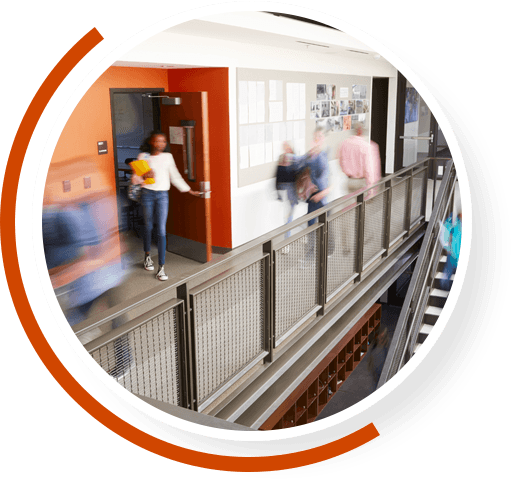
Learning how to better identify and support these students is crucial. Housing insecurity burdens students with instability, fear, and barriers to learning.
When violent events dominate the news cycle, many parents, caregivers, and educators wonder: How do I talk about this with children?
Products designed to protect sensitive information, mitigate risks, and streamline daily processes help technology teams stay focused on what matters most.
As we recognize National School Bus Safety Week (October 20-24, 2025), districts have an opportunity to celebrate their transportation teams and renew their commitment to safe, respectful, and reliable student transportation.
A critical aspect of K-12 emergency response is the accountable reunification of students with their parents or guardians.
Alyssa’s Law in Oklahoma, effective July 1, 2024, requires each school district in the state to implement a mobile panic alert system.
Accrediting bodies require organizations to prove they have strong health and safety procedures in place to protect children, members and staff, manage visitors, and respond to emergencies.
Swatting is a term coined by the FBI for a specific type of false report, made with the intention of drawing a massive law enforcement response to a particular location.
Learn what Crisis Text Line is, how it works, and how schools can partner with this free service to support student mental health and build safer communities.
Alyssa’s Law requires schools to implement or consider implementing silent panic alert systems linked directly to first responders and law enforcement agencies.