Understanding the Crisis Text Line: A Lifeline for Mental Health Support
Blog
Mental health support is more important than ever, especially for young people navigating the challenges of school, relationships, and personal growth.
On the August episode of the School Safety Today Podcast, Dr. Amy Grosso spoke with Jana French, Community Partnership Director at Crisis Text Line, to shed light on how this free resource is transforming mental health support and how schools can harness its benefits for their communities.
What is Crisis Text Line?
Crisis Text Line is a free, confidential, and accessible mental health and crisis support service available 24/7 via text, webchat, and WhatsApp.
Since its founding in 2013, it has provided real-time assistance to anyone facing emotional challenges—from major crises like suicidal thoughts to everyday struggles such as academic stress, relationship issues, or grief. The service is open to people of all ages, but most users are between 14 and 24 years old, making it especially relevant for students.
How Does It Work?
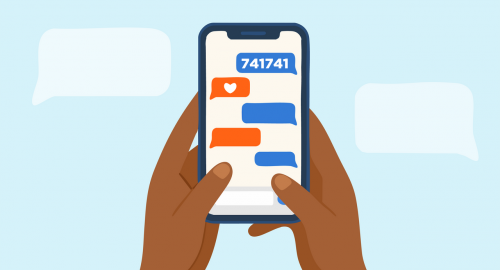
Reaching out for help is simple: anyone in the U.S. can text 741741 to connect with a trained volunteer crisis counselor. After a few automated messages, the texter is engaged in a one-on-one conversation with a counselor who listens, provides support, and helps the individual feel calmer and more in control. These conversations typically last around 45 minutes and focus on collaborative problem-solving and sharing resources.
To ensure those in the most urgent need get help quickly, Crisis Text Line uses a machine learning triage system. This system prioritizes high-risk situations, such as those involving suicidal thoughts, with counselors typically responding within 1–3 minutes. Standard-risk conversations are usually connected within 5–10 minutes.
Clinical supervisors monitor every chat in real time, ready to step in if an emergency arises.
Safety and Confidentiality
Safety is a top priority. Every conversation includes a safety assessment to identify any risk of self-harm. About 20% of chats involve suicidal thoughts, but fewer than 1% require emergency intervention, which is reserved for cases where someone is at imminent risk and safety planning isn’t possible.
While phone numbers are visible to the system for emergency purposes, texters can remain anonymous or use a preferred name, ensuring confidentiality.
Scale and Impact
Crisis Text Line’s reach is impressive. Some standout stats:
Over 16 million conversations since its founding in 2013
Approximately 1.3 million conversations annually
About 4,000 chats each day
Around 800 volunteer counselors are online at any given time
Because of its impact and reach, Crisis Text Line is ready to provide support to those in need at any time.
How Schools Can Leverage Crisis Text Line
Schools play a crucial role in promoting mental health awareness and connecting students to resources. Crisis Text Line partners with schools to offer custom keywords, allowing institutions to track outreach impact and generate trend reports on conversation topics without collecting personal data.
Schools can also access printable materials like posters, wallet cards, and tear-off tabs, which are often placed in discreet locations such as bathroom stalls or school buses. Back-to-School Guides provide age-specific mental health tips, grounding exercises, and resources for supporting peers.
Getting Involved and Accessing Support
Support is always available. Students, educators, and families can:
Text 741741
Use WhatsApp (443-SUPPORT for English, 442-IUDEMAY for Spanish)
The Crisis Text Line website also offers free toolkits, printable materials, and information on volunteering or forming community partnerships.
By embracing resources like Crisis Text Line, schools can foster a culture of safety, support, and open conversation, empowering students to seek help when they need it most.