Suicide prevention training teaches educators to recognize warning signs in students. Changes in mood, withdrawal from others, hopelessness, increased substance use, giving away possessions, talking about death, and other behaviors can indicate that a young person may be struggling. Knowing these warning signs of suicide is essential, but recognizing suicide risk is rarely as simple as working through a checklist.
That is why suicide prevention requires more than knowing a list of warning signs. It requires knowing students, noticing when something changes, sharing what we see, and continuing to pay attention even after a crisis has occurred.
SUMMARY
Recognizing warning signs of suicide risk requires knowing students well enough to notice when something changes and having systems that help staff share what they see before concerns go unaddressed. Since no single adult sees the full picture, effective suicide prevention depends on connection, communication, and continued attention even after a crisis has occurred.
Table of Contents
Know Your Students: Create a Behavioral Baseline
Connection through knowing someone is important in suicide prevention because students need trusted adults they can turn to when they need help. Connection also serves another important purpose because it gives adults the context they need to recognize when something has changed.
Knowing a student well enough to notice a change does not require every educator to have a deep knowledge of every student. It can come from small, repeated moments like greeting a student by name, noticing who they sit with at lunch, knowing they never miss theatre practice, or hearing them talk regularly about their grades.
These ordinary interactions create a baseline. They help adults understand what is typical for a student so they are more likely to notice when something changes.
Students experience and express distress differently and risk can change over time.
- A behavior that represents a significant change for one student may be completely normal for another.
- A student who talks constantly becomes quiet.
- A student who never misses practice stops showing up.
One change in behavior doesn’t tells us a student is at risk, but each one is a signal worth noticing.
Notice Changes: Warning Signs Look Different to Different Staff
Students move through many environments during a school day, and they may show different parts of themselves in each one. On their own, each change may seem insignificant, but when put together, a clearer picture of a student in need unfolds.
- A teacher may notice that a student who regularly participates in class has become disengaged.
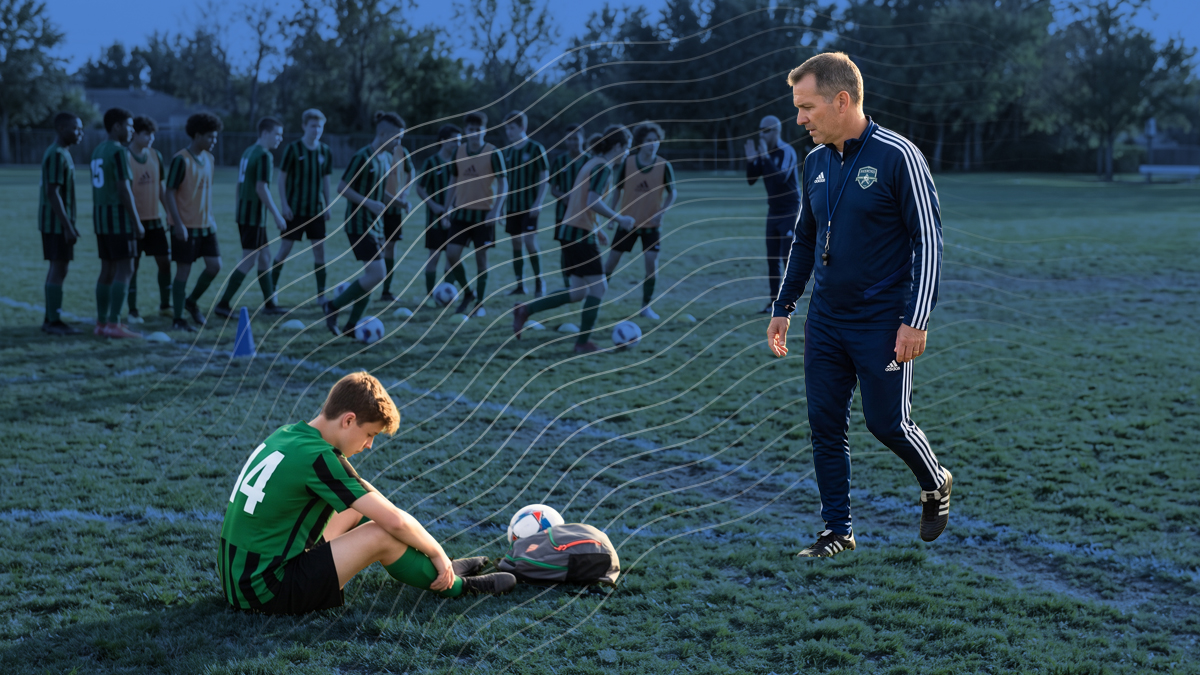
- A coach may realize that a student who loves practice has started making excuses to leave early.
- A bus driver may notice that a student who normally sits with friends has begun sitting alone.
- A school nurse may see a student increasingly coming to the clinic with a stomachache.
No single observation necessarily tells the whole story, and no single adult should be expected to determine from one change that a student is at risk for suicide. What matters is noticing when something is different.
Share Observations: Bring the Data Together
Noticing a change is only part of the process. Staff also need a way to share what they see. To do this, schools need clear, accessible processes that allow staff to communicate observations so the appropriate professionals can determine what support or further assessment may be needed. Adults don’t need to determine what a change means before sharing what they observe.
Processes for sharing need to be accessible for the people expected to use them. It may not be realistic for a bus driver to leave their route and find the school counselor. A cafeteria worker may have only a few minutes between lunch periods. A band director may notice something concerning during an evening practice after most school staff have left for the day.
When observations remain separated, patterns can be easy to miss. When schools have systems for bringing them together, seemingly small pieces of information can create a fuller understanding of what a student may be experiencing.
Warning Signs of Suicide That Should Prompt Action by Staff
Not every change means a student is experiencing a suicide crisis. At the same time, some warning signs require immediate action, such as when a student
- talks or writes about wanting to die
- expresses hopelessness or feeling trapped
- talks about being a burden to others or having no reason to live
- says they’re looking for a way to end their life
In these cases, adults should follow the school’s suicide prevention and response procedures immediately.
Knowing students and recognizing change does not replace knowing these critical warning signs of suicide. Both matter, but the difference is that adults do not need to wait for an unmistakable sign of suicide risk before sharing that something about a student seems different.
Suicide Prevention Should Continue Even After a Crisis
Knowing, noticing, and sharing can help staff identify when a student may need support before they reach a crisis, but suicide prevention does not end when a crisis occurs. Sometimes schools already know that a student has attempted a suicide. In those situations, continued attention to how the student is doing and if changes occur can become even more important for preventing another event.
Hospitalization can help stabilize a student during a suicidal crisis, but stabilization is not the same as recovery. The period following discharge from psychiatric hospitalization can be an especially vulnerable time for young people. Returning to school may be an important step toward routine and recovery, but it should not be assumed that risk has passed simply because a student has returned to class.
As a student returns to school, adults may notice changes across different parts of their day. A student may withdraw from friends, struggle academically, begin missing school, or seek out trusted adults more frequently. A student who rarely left class before their hospitalization may begin requesting passes more often, or a brief trip to the counselor’s office may begin taking considerably longer.
When combined, these changes can give the adults supporting the student an opportunity to ask questions, connect with one another, and determine whether additional support may be needed.
Schools may also need to think intentionally about what a student needs during reentry, which is the process of bringing a student back into normal routines after a crisis. A student’s safety or reentry plan might include additional support during transitions, identifying adults they can go to when they are struggling, or additional structure around when they leave class, where they can go, or whether they should be alone.
Relationships make it possible to notice these moments and the right systems make it possible to respond to them consistently.
How Raptor Helps Schools Know, Notice, and Share
Recognizing suicide risk requires more than asking individual educators to pay closer attention. Schools need systems that help adults understand what to look for, make it easy to share concerns, and bring together information that may otherwise remain disconnected.
Technology can support each part of know, notice, and share.
- Raptor EmployeeSafe provides staff training that can help educators recognize warning signs and understand their role in suicide prevention.
- Raptor StudentSafe gives schools a centralized way to document and share concerns, helping appropriate staff connect observations that may have been made by different people at different times.
- Raptor SmartPass can help schools discreetly support students who need additional structure during the school day. For example, a student’s reentry or safety plan following hospitalization may indicate that they should not be in the hallways alone or should only travel to certain locations. SmartPass allows for automated pass controls without having to share details or reasons with unauthorized staff. It can also provide visibility into changes in movement patterns that may be another piece of information worth noticing.
Together, these tools can help schools build the systems behind knowing a student, noticing when there is a change, and sharing this information. Technology cannot replace the relationships that allow adults to recognize when something has changed for a student, but it can help ensure that behavioral changes that adults notice aren’t an isolated piece of the picture.
Every adult holds a piece of the picture. No one holds all of it. When schools create the relationships and systems that allow those pieces to come together, they have a better chance of recognizing when a student needs support, both before a crisis and after one.

Amy Grosso
Recommended Resource
Suicides aren’t caused by a single event. The more understanding staff have about the complexities that cause students to consider or attempt suicide, the more they’ll be able to help students before a crisis unfold. Discover how with our free guide to understanding and preventing K-12 suicides.