Returning to the classroom after a break requires a period of readjustment and transition for students and teachers. Routines are rusty, expectations need reinforcement, and everyone is still adjusting. For educators, this transition period presents an opportunity to intentionally reset classroom culture rather than simply react to challenges as they arise. Social emotional learning (SEL) plays an essential role in that reset.
Reintroducing SEL practices gives educators a framework for responding to behavior, supporting engagement, and aligning classroom practices with schoolwide expectations. Get practical tips for reengaging your classrooms after break and discover SEL resources and training to support teachers throughout the year.
Why Social Emotional Learning Matters After a Break
Back-to-school best practices often focus on administrative tasks and concerns and overlook the hurdles of classroom management after time away. The much-needed extended breaks disrupt more than academic momentum. Students may return to the classroom carrying new emotional states, social experiences, and even heightened anxiety or stress.
SEL helps educators address these challenges proactively by focusing on skill-building instead of just behavior corrections. Research-backed SEL frameworks, like the one outlined by the Collaborative for Academic, Social, and Emotional Learning (CASEL), emphasize teaching students how to recognize emotions, manage behavior, and engage positively with others.
What Are the Five Competencies of SEL?
Many SEL programs are built around the CASEL 5, a group of five core competencies developed by CASEL to support academic, social, and emotional success and which can be adapted to suit diverse developmental stages, ability levels, and cultural contexts.
The five core SEL competencies are
- Self-awareness: Recognizing emotions, stressors, and personal strengths
- Self-management: Regulating emotions and behaviors, especially during frustration
- Social awareness: Understanding others’ perspectives and showing empathy
- Relationship skills: Communicating clearly, cooperating, and resolving conflict
- Responsible decision-making: Making choices that support safety and learning
These skills are essential year-round but especially important during transitional periods like the start of a new semester or after returning from a long break. Educators who revisit SEL strategies after time away can experience a smoother transition back into learning, creating a sense of safety and predictability in the classroom.
How SEL Impacts Student Learning and Behavior
SEL is closely connected to academic performance, student wellbeing, and school safety. According to findings aggregated by CASEL, implementing SEL practices has been shown to
- improve student focus and engagement
- reduce behavioral disruptions in class
- build stronger peer relationships
- decrease student emotional distress
- help prevent bullying and aggression
Evidence shows that these benefits aren’t just temporary, either. A meta-analysis from the Yale School of Medicine found consistent positive improvement in students’ social and emotional skills six months or more after participating in SEL programs.
Another study, published by the Society for Research in Child Development, measuring follow-up effects of SEL interventions found that students who had participated in SEL programs academically outperformed their peers who had not participated in any SEL program by an average of 13%, years after the initial intervention. This finding was consistent across socioeconomic background, race, and location.
Social emotional learning also aligns closely with Positive Behavior Intervention and Support (PBIS). While PBIS helps schools increase instances of positive behavior, social emotional learning helps teach students the underlying skills needed to consistently meet those behavior expectations, which is why SEL practices are often integrated with PBIS student behavior management systems.
For example, many schools include “Be Respectful” as a core PBIS expectation, broken down into specific policies like “Listen while others are speaking during class discussions.” SEL instruction directly supports this desired behavior by building necessary skills, in this instance self-management and social awareness.
5 Practical SEL Strategies Teachers Can Use After Break
Reintroducing SEL to your classroom after a break doesn’t require a complete deviation from your lesson plan or overhaul of classroom management. Small, intentional practices can reinforce expectations and support students as they readjust without disrupting academic focus.
1. Reset Classroom Norms
Use the first days back to revisit classroom expectations collaboratively. Discuss why norms exist and how they support learning and safety, rather than simply restating the rules.
2. Start With Daily Check-ins
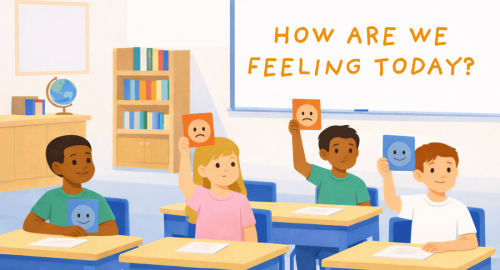
Give students space to practice self-awareness and self-management with short check-ins before starting the day’s lessons. These check-ins can help teachers gauge student engagement and give them an opportunity to better support student wellbeing by identifying any signs of emotional or physical distress.
3. Model SEL Skills
Teachers demonstrate social emotional learning competencies through their interactions. Calm communication during transitions or reflective language when addressing challenges provides students with clear examples of SEL skills in action.
4. Connect SEL to Behavior Expectations
Explicitly link SEL competencies to behavior expectations using age and developmentally appropriate language. For example, teachers can explain how self-management helps students focus during instruction time or stay calm even when a lesson is challenging.
5. Foster Open Communication and Connection
Encourage open communication between you and your students to help address success or challenges during the transition from break back into routine. This is also an opportunity to help students reconnect. Create a safe space for students to share their thoughts and concerns while modeling self-awareness and communication yourself.
Invite students into the conversation with questions that incorporate social-emotional learning competencies.
- What’s on your mind?
- What are your top three feelings today?
- Ask me two questions about [topic related to the day’s lesson].
- What do you wish you knew more about?
As you work with your classroom toward the common goal of incorporating more SEL skills, remember that this is still a period of adjustment. Give yourself time to find what works and settle back into routine.
Strengthening Social Emotional Learning With Consistent Training and Support
Returning from break marks is a natural reset point for teachers to evaluate and improve their SEL strategies. Consistent training and reliable resources can help make SEL a more effective part of your schools’ broader efforts to support student mental health, wellbeing, and safety.
EmployeeSafe training courses, powered by PublicSchoolWORKS, provide educators with structured, research-informed SEL and PBIS-aligned learning that can be applied directly in the classroom. These courses help educators
- understand SEL fundamentals and best practices
- connect SEL to behavior expectations and PBIS frameworks
- reinforce safe, supportive classroom environments
- apply strategies consistently across grade and ability levels
See how EmployeeSafe can help teachers support classroom transitions, reinforce positive behavior, and create safer learning environments throughout the school year.
Related Resources
Explore how ONC BOCES addressed continuity challenges with EmployeeSafe.
Click here to keep reading.