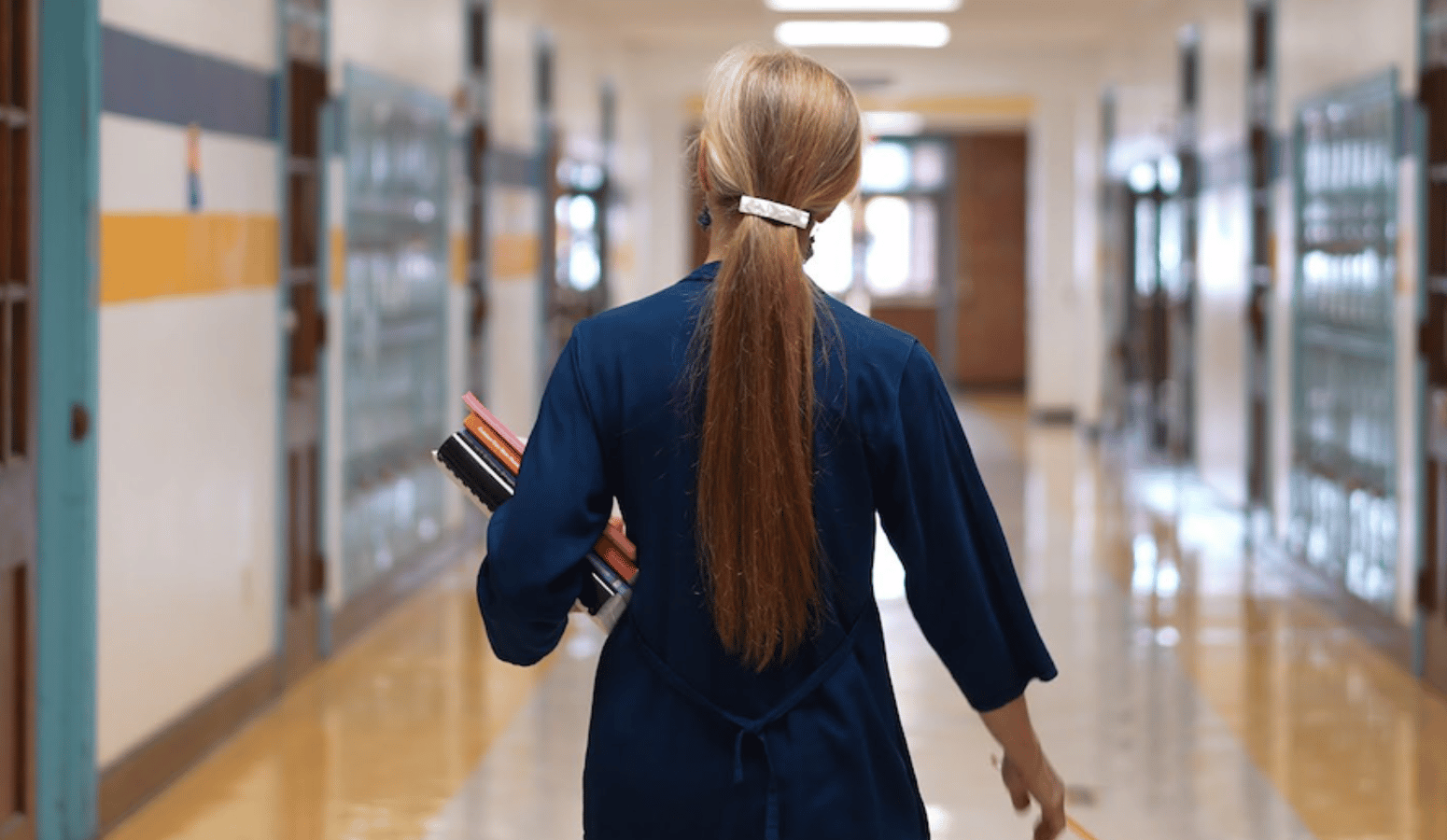
Most hall pass policies apply the same rules to every student with the goal of protecting instructional time and reducing hallway wandering during class. In many cases, these policies help teachers set and enforce reasonable limits on how often students can leave class and for how long.
But for students with individualized education programs (IEPs) or 504 plans, traditional hall pass policies can be too limiting. Customizable digital hall passes can help schools balance providing required accommodations for specific students with enforcing hall pass accountability for the general student body.
SUMMARY
Students with IEPs or 504 plans often need more time out of class than typical hall pass policies allow. Digital hall pass solutions like SmartPass with per-student customization options for hall pass types and limits can help administrators ensure students are receiving their required accommodations without reducing hallway oversight for the rest of the school.
Table of Contents
Blanket Hall Pass Limits Don't Work for Every Student
Most schools adopt a single set of rules and policies enforced across the entire school, but sometimes hall pass rules are left up to individual teachers on a classroom-by-classroom basis. In either case, hall pass policies are often one-size fits all, which doesn’t work for every student.
Some common hall pass policies that can create problems for students with IEPs or 504s include
- weekly or daily hall pass caps
- fixed time limits on hall passes
- no passes in the first or last ten minutes
- one student out of class at a time
These blanket policies are usually implemented to control hallway traffic during class, particularly if a school is struggling with frequent hall pass misuse. While these limitations might help avoid broader behavioral and discipline issues, they are too restrictive for some students.
Students with certain conditions—like diabetes, inflammatory bowel conditions, anxiety disorders, ADHD—or with strict medication schedules likely need more time on a bathroom pass than the average student and will also use up their allotted passes more quickly.
Restrictive policies could result in a student being
- denied their accommodation
- flagged for abusing passes
- unwilling to ask for or use their accommodation
Having to ask for their accommodation in front of their peers or negotiate it with a teacher can make a student feel singled out and stop asking entirely. When this happens, their accommodation only exists on paper, and their needs are not being adequately met.
How Hall Pass Limits Can Create Compliance Risk
Under the Individuals with Disabilities Education Act (IDEA) and Section 504 of the Rehabilitation Act of 1973, student accommodations must be implemented as written. A restrictive hall pass policy that doesn’t allow for exceptions can be considered a failure to implement accommodations.
It can be helpful to have district counsel review hall pass policy language, to ensure that it meets IDEA and Section 504 requirements, but it’s often more defensible to set per-student customizations or exceptions that align exactly with their individual plans.
Individual Student Hall Pass Customization
To better support IEP and 504 accommodations, schools should consider a hall pass model that allows them to
- configure student accommodations in a centralized system
- apply accommodations consistently, across classrooms and teachers
- provide dignity and privacy for students using customized passes
- preserve teacher judgement for hall pass exceptions
These kinds of customizations can be difficult to implement when using paper hall passes. Paper passes can be lost or misplaced, and individual teachers must remember each student’s specific IEP or 504 plan—no small feat when juggling dozens of students each day.
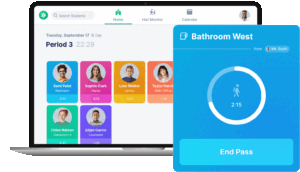
A digital hall pass solution like Raptor SmartPass solves those problems and allows additional customization to meet diverse student needs.
Set Custom Pass Types and Destinations
Administrators can set specific destinations and passes to align with accommodations for different students.
Tricia Brdecka, an Assistant Principal at Urbana Middle School in Frederick, Maryland shares how her school provides frequent breaks accommodations using SmartPass: “Students with that accommodation can get up and take a lap instead of constantly asking to go to the bathroom, then getting in trouble because they’re not actually in the bathroom.”
Urbana Middle School also uses a custom pass called “FlashPass” that allows students to go directly to the counselor’s office. “It’s discrete,” says Brdecka. “They don’t have to shout it out, so it’s providing them with dignity and accountability, but they’re also able to advocate for themselves.”
Use Hall Pass Data to Support Students
Digital hall passes provide administration with valuable data and visibility into student movement patterns and whereabouts, helping prevent unauthorized meetups, limit unwanted behaviors like student vaping, and provide better student accountability in the event of emergencies.
This data can also help schools monitor accommodation use. “I can actually pull reports to see how often students are using their accommodations,” says Brdecka. “And I can share that data with case managers and with parents.”
Low accommodation usage could mean that a student is not using the support they’re entitled to. High usage could mean their plan needs adjusting.
Pass data also helps students without IEPs or 504 plans. Hall pass usage logs that show a lot of missed instructional time for a student can be a sign to teachers and administrators to check in. “That’s when you can start to have those conversations,” says Dana Angleberger, a teacher at Oakdale Middle School in Ijamsville, Maryland. “Is there something else going on? How can we support you?”
Tricia Brdecka agrees, “[The data] facilitates those conversations so that we can actually get students what they need.”
Updating Your Hall Pass Policy to Accommodate All Students
Hall pass policies that are applied unilaterally are not always equitable, which creates an opportunity to look for a solution that is flexible, digital, and customizable. There are some practical steps you can take to update your hall pass system and policies to support students with documented accommodations:
- Audit current policy language for exceptions tied to IEP and 504 plans.
- Meet with case managers and special education leads to identify which accommodations may affect hallway movement.
- Replace blanket pass limits with policies that allow for exceptions.
- Use a digital hall pass system that makes pass customization and usage tracking easy.
- Review usage data regularly to help identify unmet needs.
Raptor SmartPass lets schools set up accommodation-specific passes and destinations, see real-time hallway activity, and pull reports, making it easier to balance accommodations and accountability in a single system.
See how SmartPass can help better support student accommodations at your school.
FAQs
Can a School Limit Hall Passes for a Student With an IEP or 504 Plan?
A school can set general hall pass limits, but those limits cannot override accommodations written into a student’s IEP or 504 plan, like an accommodation for frequent breaks. To ensure students with accommodations have their needs met, schools can outline an exceptions process or use a digital hall pass system like Raptor SmartPass that allows per-student pass customization.
Do Hall Pass Limits Violate Section 504?
No, hall pass limits do not inherently violate Section 504, but applying limits without exceptions for students with documented needs can put schools at risk of non-compliance. Schools should build exception pathways into hall pass policies and have district counsel review the language.
What Is a Frequent Breaks Accommodation in an IEP?
A frequent breaks accommodation gives a student scheduled or as-needed breaks from instruction. Case managers typically assign this accommodation for sensory, attention, anxiety, or medical needs, and the length or frequency of breaks will vary by student.
What Is the Best Hall Pass System for Students with IEPs?
Customizable digital hall pass systems, like Raptor SmartPass, are the best option for supporting students with IEP and 504 accommodations. SmartPass lets schools make individual student customizations for pass limits and pass types, allowing them to use their accommodations discretely and consistently. The system also gives administrators access to robust student movement data that can be used to track accommodation use and identify students who need accommodations.
Recommended Resource
Get our Guide to Digital Hall Passes to learn more about how digital hall pass systems can minimize disruptions and improve student accountability.