Winter break should be a time to rest, reset, and recharge. But for many educators, it’s not always that simple.
After months of supporting students through academic and emotional ups and downs, teachers and staff often reach December feeling ready for a break, but unsure how to unplug.
You don’t stop being an educator just because the students have gone home, after all. And while that empathy is a gift, it can also make it harder to have a truly restful winter break.
With a little intention, you can start to break that pattern and give yourself space to genuinely recharge this winter.
1. Acknowledge the Weight Educators Carry into Break
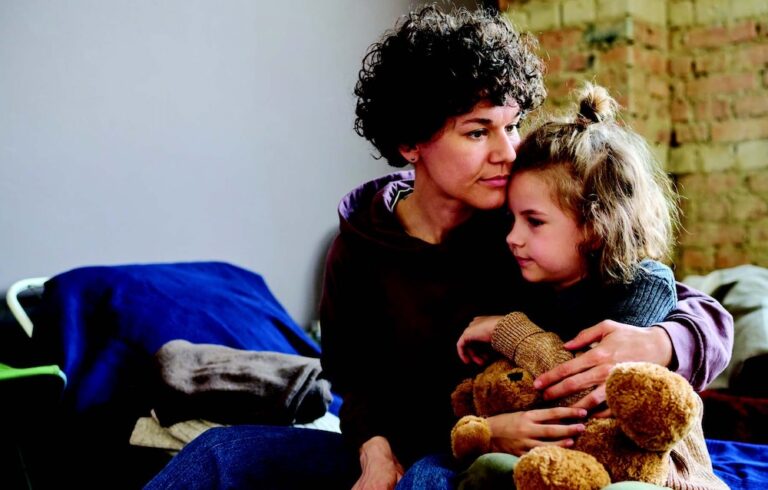
Over the break, teachers and counselors often find themselves thinking about the students who rely on school for stability: students who might not have consistent meals, safe spaces, or mental health support during the holidays.
While it’s natural to worry about students who may need extra support over the break, don’t overlook the meaningful impact of the care and connection you provide during the school day. Educators tend to focus on what they aren’t doing, instead of realizing the impact they have on students each day.
In addition to the very real concern for your students, there’s also the pressure to plan for next semester, to get grades in on time, and to enter January ready to go. It’s an impossible standard that can leave staff feeling guilty for wanting downtime or anxious that they aren’t doing enough.
You may feel like you’re the only one struggling, especially if you’re comparing your real life to the highlight reels of other teachers on social media. But the truth is many educators are grappling with some version of mental and emotional weight this winter.
2. Give Yourself Permission to Pause
Allowing yourself to pause is an investment in your ability to show up fully when school resumes. It’s not indulgent or self-centered; it’s the bare minimum.
Dr. Amy Grosso, Director and Resident Expert at Raptor, puts it this way: “Stop shoulding yourself… How much in life do we talk about, reflect on, what we should be doing? I should be exercising more. I should be eating healthy. I should be doing more at work… We ‘should’ ourselves until we want to hide in a corner.”
It’s difficult to silence that constant self-pressure to do more, be more, give more of yourself and your time. Even resting over the holidays can begin to feel like something you’re failing at. It’s a never-ending cycle.
You can start to break that cycle by reframing what rest looks like this winter:
- Set boundaries with work communication. Give yourself permission to step away from your inbox.
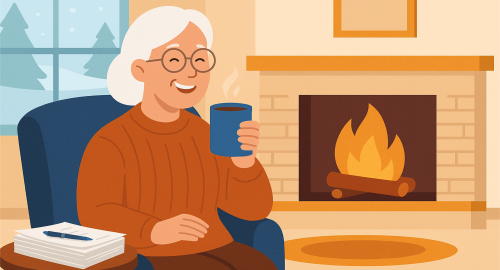
- Create small, consistent rituals. Help your brain shift out of work mode with a morning walk, a quiet coffee, or an end-of-day journaling or reflection.
- Embrace “good enough.” Rest doesn’t have to mean a total reset. Sometimes it just means not multitasking for an hour.
Progress, not perfection, is the goal.
3. Reconnect With What Restores You
During the school year, educators often prioritize work over outside pursuits. Winter break is an opportunity to check in with yourself and identify what you’ve been missing for the last few months. This doesn’t mean writing a laundry list of overdue errands, projects, and chores for yourself.
Instead, consider what would help you feel like you again. That might mean setting aside time to reconnect with family or friends, diving back into a hobby that it’s hard to make time for during the busy school year, or even just cooking a favorite meal.
Rest doesn’t have to be quiet or perfect. Sometimes, it’s just about choosing presence over productivity.
4. Support Each Other Beyond the Classroom
For many educators, a strong sense of community can help shoulder the mental and emotional burdens of your work. That need for support and community doesn’t stop just because the semester ends.
A simple check-in text, an invitation to grab coffee, or a “How are you really doing?” conversation can be the difference between isolation and restoration this winter break.
Counselors and administrators play an important role here, too. When school leaders model openness about stress, rest, and boundaries, it gives others permission to prioritize their own wellbeing.
Schools that prioritize connection, through staff wellness initiatives, peer support groups, or simply by encouraging open communication, help create environments people feel seen and supported. That carries over into time outside the classroom and lets educators disconnect in a healthy way over the holidays.
5. Come Back with Compassion (for Yourself and Others)
When break ends, there can be an unspoken pressure to come back energized, organized, and ready to hit the ground running. But returning to school is an adjustment for everyone. Instead of trying to tackle everything at once, focus on steady re-entry.
Returning slowly means giving yourself permission to ease into the rhythm of the new semester, instead of sprinting into it. That could look like starting with smaller goals for the first week, focusing on re-establishing routines, or simply being more flexible and patient—with your students and yourself.
The care you give to your own wellbeing sustains the care you can give to others. As you head into this winter break, remember: your presence, patience, and empathy already make a difference.
You’ve earned the right to rest, guilt free.
Dr. Amy Grosso is a national leader in student wellbeing and school safety with more than 15 years of experience and is the host of the podcast School Safety Today.
Related Resources
Download our whitepaper, A Closer Look at Homelessness in K-12 Education, for more insights into student homelessness, its prevalence and effects, and how school leaders can ensure compliance with McKinney-Vento to better support affected students.