Student-Parent Reunification: Best Practices for Schools
Students and Families Need to be Reunited as Quickly and Safely as Possible
An evacuation, especially one due to an extreme crisis, can cause physical reactions and strong emotions like terror, fear, and helplessness. Alongside how to respond to an incident, you also need a robust plan for every component of reunifying students with their guardian.

“The ease and speed at which we were
able to reunify students in our practice
exercise was amazing! I feel much better
knowing that we have practiced this
process and it went so smoothly.”
Kimberly Blair, 8th Grade CounselorAppoquinimink School District, DE
1. Creating a Reunification Plan
A critical aspect of K-12 emergency response is the accountable student-parent reunification process. A successful, streamlined school reunification process requires schools to implement tangible plans for each type of emergency school reunification, including on-site, off-site, and partial. Below is an overview of each type and key things to consider for your school reunification plan.
On-Site Reunification
For incidents like an incoming storm or a power failure, schools can consider an on-site reunification. Key components include notifying guardians, confirming transportation needs, and reunifying students with their guardians at the school site.
FEATURED RESOURCE
Webinar
Off-Site Reunification
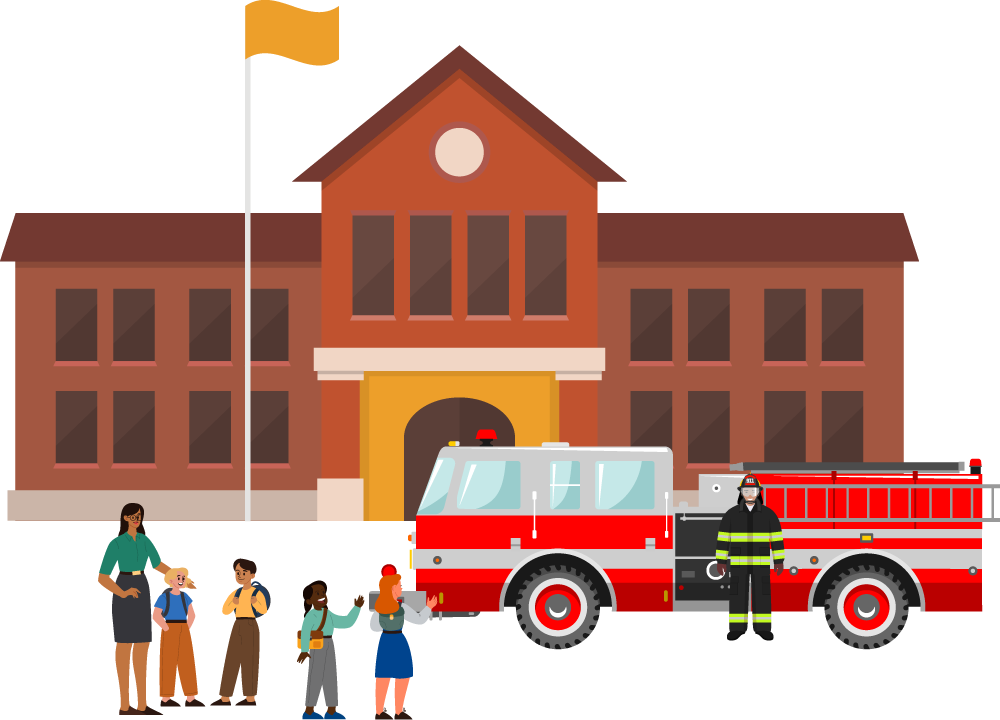
An off-site student-parent reunification may be necessary for events like a fire, bomb threat, gas leak, or violent crisis at the school. This type includes notification, evacuation, transportation, and reunification at your selected reunification site. If the evacuation is due to a violent event, there are additional considerations:
- Maintain a calm, safe environment
- Manage the influx of media both at the impacted site and your reunification site
- Support student and staff mental and physical health in response to the crisis
Partial Reunification
A partial reunification occurs when there is a need to reunify only a partial number of students. For example, if there is an active robbery near your school, you will not want students who typically walk home to walk through or near the crime scene. Like an on-site reunification, a partial reunification includes notifying guardians, confirming any transportation needs, and reunifying the appropriate students with their guardians at the school site. While the school may still be operational, police presence may increase during the reunification drill.
Components of a Reunification Plan
A comprehensive emergency school reunification plan should include:
- Recovery teams and their responsibilities
- Reunification site locations and staging
- Transportation to the site for students, staff, and emergency supplies
- Roles for law enforcement and mental health professionals
- Protocols for confirming students are reunified with approved guardians
FEATURED RESOURCE
The Standard Reunification Method: Lessons from National Experts
Watch on-demand as national experts Pat Hamilton from The “I Love U Guys” Foundation and Katelyn Warnock from Raptor Technologies discuss how schools can implement and use SRM successfully. You’ll walk away with actionable strategies, practical tips, and real-world insights to strengthen your reunification process.
Making a Reunification Team
We recommend having two teams in place for reunification: the reunification team and the transport team.
The reunification team should immediately go to the reunification site to stage the area, hang directional signage for guardians, and prepare for the student-parent reunification. This team is responsible for student reunification and staff return transportation.
Ensure this team has access to supplies and resources at the site. Consider creating an evacuation go-kit and multiple reunification go-kits. These kits can include floor plans, emergency contact info, writing utensils, flashlights with batteries, and other necessary items.
FEATURED RESOURCE
Case Study: Annual Raptor CSP Training Helps PBT ISD Stay Reunification Ready
In this case study, we’ll review the challenges the district faced—and how Raptor worked with their team to overcome them.
The transport team facilitates transportation and initiates accountability processing in off-site reunifications. They identify a reunification site and coordinate safe transport of students and staff. Ideally, they will select two back-up facilities in advance—preferably during summer break.
TIP:
Some team members may be unavailable during an emergency. Choose personnel most likely to be available. For instance, teachers with students may not be ideal for reunification roles.
2. Choosing a Reunification Site
Select a nearby facility that is unoccupied during the school day and large enough for your school population, guardians, and volunteers. The space should have large rooms to divide students into manageable groups. Places of worship or recreation centers are often suitable.
TIP:
Choose a centrally located reunification site to ensure accessibility. Large districts may need multiple sites. Regardless, a single district reunification team is usually dispatched.
Plan the Routes
The school’s reunification procedure also needs to specify predetermined routes for getting students, staff, security, first responders, and other personnel to and from the site. Ideally, faculty will walk students to the facility. If the facility is not within walking distance, other means of transportation will be necessary to safely evacuate your school.
Configure the Site
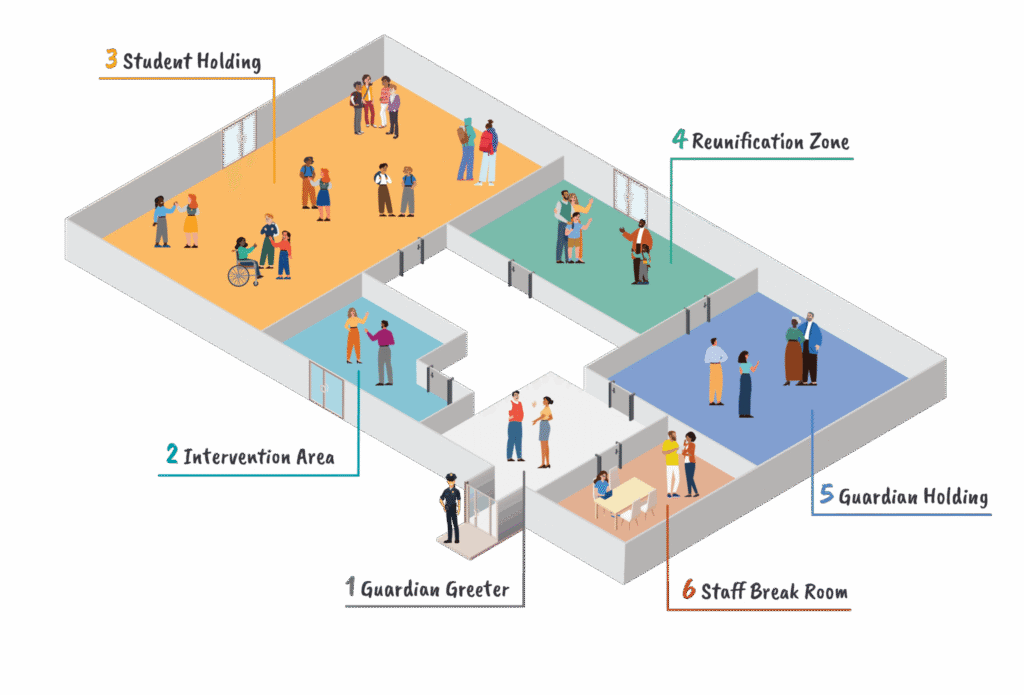
It’s best to direct students to an area that is out of view; you do not want guardians to spot their children as they are entering the facility. Outline how faculty should communicate information to guardians about the school reunification process.
It is important, however, to keep the location of reunification sites confidential until the district chooses to notify guardians. Otherwise, they may arrive before the students get to the site and complicate an already difficult situation. Make sure to include information on nearby hospitals and fire stations for quick reference.
3. Involving Law Enforcement & Mental Health Services
Emergencies can create emotional turmoil. While anxiety is expected, schools can take action to keep the school reunification process orderly.
Keep the Environment Calm
District security and/or law enforcement should be on-site as students, staff, and guardians arrive. Their presence helps create a secure atmosphere and manage any media presence.
Inform Guardians of Student Status
Law enforcement often leads communications with guardians whose children are missing, injured, or deceased. This helps ensure accuracy and compassion.
TIP:
Counselors should be on-site to support grieving families and affected students.
Provide Mental Health Services
School-employed mental health professionals should be present to address immediate needs. Distribute written materials on coping with trauma. If needed, mental health professionals can offer training on how to support children post-crisis.
FEATURED RESOURCE
Webinar – Dr Leigh Wall
Former Santa Fe Superintendent Shares Key Strategies for Coordinated Emergency Response
4. Streamlining the School Reunification Process
Technology can strengthen the school reunification process and reduce errors. Real-time access to student status ensures accurate accountability during reunification drills and actual emergencies.
Use Trusted School Reunification Software
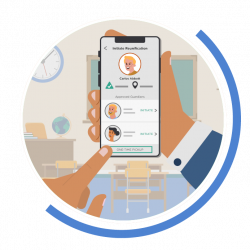
When a guardian checks in, the greeter can instantly verify if the student is safe and continue the process. If the student is missing or injured, the system notifies the greeter to escort the guardian to a private area. This avoids delivering difficult news in public.
FEATURED RESOURCE
Guide to K-12 Emergency Management
Proven strategies to protect your school. This guide positions you to design the best school emergency management approach.
5. Understanding and Applying the Methodology
Successful school reunification requires more than just a plan. It requires understanding the methodology behind it and hands-on practice before integrating technology. The “I Love U Guys” Foundation (ILUG) provides essential guidance on best practices, ensuring that schools implement the reunification process effectively and safely.
Training First, Technology Second
Technology plays a vital role in making the school reunification process more efficient and secure, but it should never replace fundamental training. Schools should first focus on mastering the methodology using traditional methods, such as pencil-and-paper exercises, before incorporating digital tools. This approach ensures that staff members fully comprehend the process and can execute it effectively, even in situations where technology may be unavailable or compromised.
Key Elements of ILUG-Aligned Training
- Conceptual Understanding: Staff should be well-versed in the fundamental principles of reunification, including student accountability, guardian verification, and emergency coordination.
- Hands-On Exercises: Conducting reunification drills with paper-based methods before adding school reunification software to ensure understanding.
- Scenario-Based Reunification Drills: Schools should practice different types of reunification scenarios, on-site, off-site, and partial, to ensure they are prepared for a variety of situations.
- Multi-Agency Collaboration: Training should involve law enforcement, mental health professionals, and emergency responders to create a seamless, coordinated effort.
- Assessment and Improvement: After each training session, schools should evaluate performance, identify gaps, and refine their approach before transitioning to a technology-assisted process.
FEATURED RESOURCE
Video: Eugene School District 4J Parent-Student Reunification Exercise
Watch how Eugene School District 4J in partnership with Raptor and The I Love U Guys Foundation perform a parent-student reunification exercise.
Technology as a Force Multiplier
Once the methodology is in place, digital tools can help streamline the school reunification process and the student-parent reunification experience. Digital tools can provide real-time updates, automated communication, and comprehensive reporting, but these benefits can only be fully realized if staff members are proficient in the core reunification methods.
For more information, see https://raptortech.com/reunification-training/
Get started
See why Raptor is the leading provider in integrated school safety software solutions.