Best Practices for Behavioral Threat Assessment in Schools
Students Need a Proactive Culture of Safety and Security to Thrive
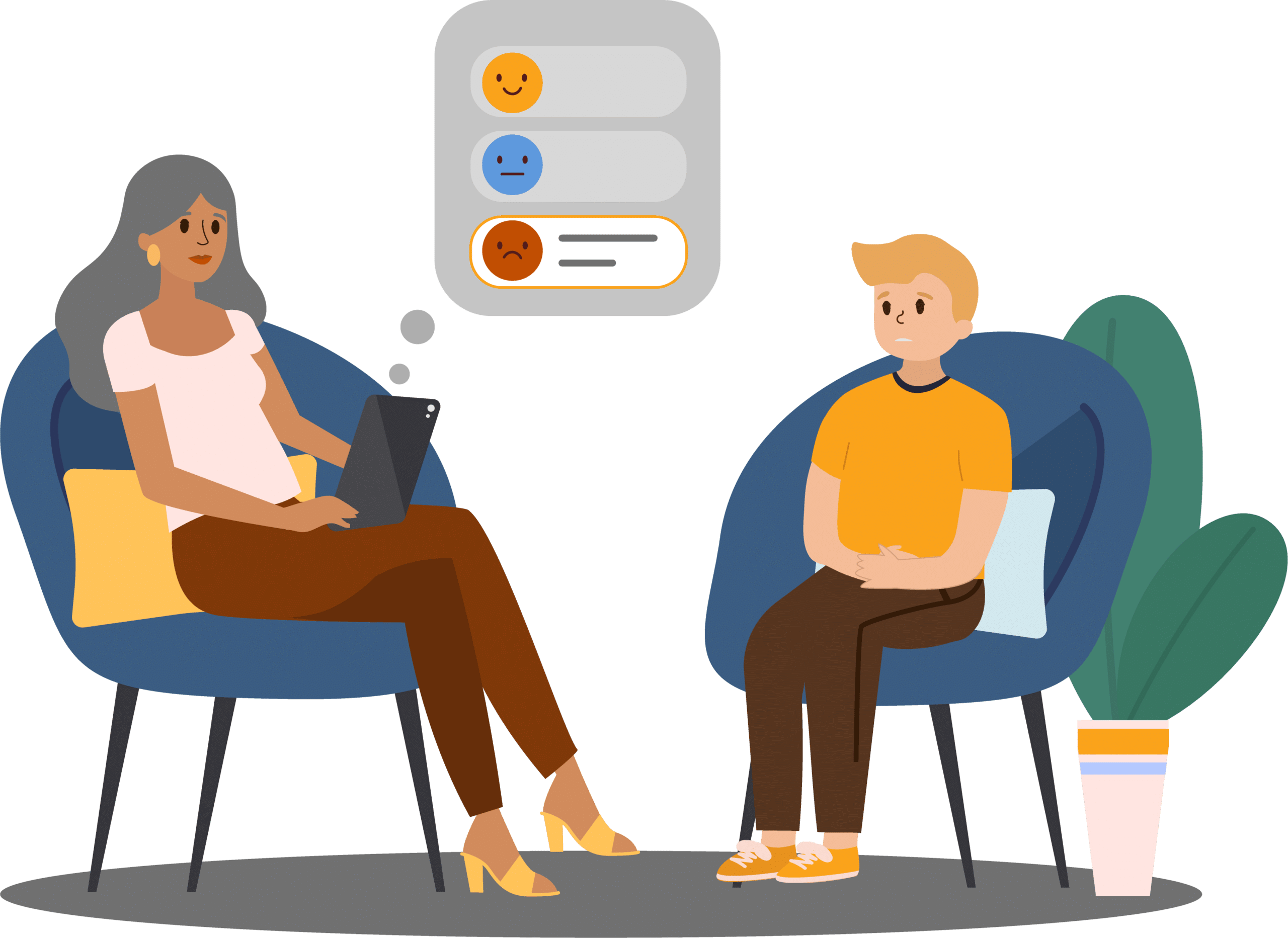
Creating a safe and supportive learning environment is one of the most important responsibilities of today’s educators and administrators. That’s why behavioral threat assessment, also known as behavioral threat assessment and management (BTAM), have become a critical tool in school violence prevention programs, helping students off the pathway to violence.
Building an effective behavioral threat assessment program for your school is more than just learning about what behavioral threat assessment is. It involves forming a well-rounded threat assessment team, choosing a behavioral threat assessment methodology, incorporating proper training, and fostering a proactive culture of safety.
An effective behavioral threat assessment program equips your staff to intervene earlier, support students better, and prevent incidents before they escalate further. By identifying and addressing potential threats early, schools can prevent violence and self-harm, while also fostering trust among students, staff, and parents.
“A proactive safety culture is one where everyone—students, staff, and parents—plays a part in maintaining a secure environment.”
Michael Matthews, Director of Operations at Fairview Park City School
Table of Contents
- What is Behavioral Threat Assessment in Schools?
- How to Build a Multidisciplinary Behavioral Threat Assessment Team
- Implementing a Behavioral Threat Assessment Training Program
- How to Choose the Right Behavioral Threat Assessment Method for Your School
- Continuous Evaluation and Improvement in Behavioral Threat Assessment Processes
- Choosing a System That Scales to Your Behavioral Threat Assessment Program’s Needs
- Best Practices for Building a Proactive School Safety Culture
1. What is Behavioral Threat Assessment in Schools?
Behavioral threat assessment is a structured process schools use to identify potential threats of violence and respond with targeted interventions. With early intervention in student behavior management, your school’s goal isn’t to punish students, but to uncover the roots of concerning behavior through objective evaluation and proactive measures. School violence prevention programs are proactive, supportive, and collaborative, aiming to create an environment where your students feel secure and valued.
Behavioral threat assessment programs are essential because they:
- Help address early warning signs before issues escalate
- Foster trust among students, staff, and parents
- Prioritize intervention and support over disciplinary actions
By choosing to implement a behavioral threat assessment program, your school can create a culture where safety and security truly thrive, and behavioral threat assessment teams can focus on achieving positive student outcomes.
2. How to Build a Multidisciplinary Behavioral Threat Assessment Team
The foundation of any behavioral threat assessment program starts with the people. A multidisciplinary team ensures a comprehensive understanding of each situation by combining perspectives from different areas of expertise.
Key members of a behavioral threat assessment team should include:
- Administrators to guide decision-making and team management.
- School Resource Officers (SROs) or law enforcement personnel with experience investigating and de-escalating conflicts.
- Mental Health Professionals (e.g., school counselors, psychologists) for emotional and psychological insights.
- Teachers, Coaches, Special Education Educators or Other School Representatives to provide familiarity with specific students or situations.
It’s recommended that you establish a behavioral threat assessment team proactively, to be prepared if a crisis occurs. . By introducing a multidisciplinary team, your school can foster collaboration and create open communication across departments to break down information silos.
For instance, a teacher may observe subtle changes in a student’s behavior that might go unnoticed by a counselor or administrator. Combining these perspectives provides a more complete and holistic perspective of the student, who may need additional support.
TIP:
Equip your team with a highly intuitive platform where you can obtain a holistic view of individual students’ wellbeing. Software that allows real-time student data mobility across departments and your district helps your behavioral threat assessment team identify patterns and trends more efficiently, enabling early intervention in student behavior concerns.
FEATURED RESOURCE
Podcast – Understanding Threat Assessment & Early Intervention
In this episode of School Safety Today, we discuss the significance and practical application of behavioral threat assessment within schools and resources available to those responsible for overseeing threat assessment processes.

3. How to Choose the Right Behavioral Threat Assessment Method for Your School
A reliable behavioral threat assessment methodology provides your team with a roadmap for evaluating situations objectively. Every school threat assessment model has its own strengths, and the best choice depends on your school’s unique needs and preferences.
One important question for your team to consider is if your state already specifies a required model or provides training on a specific methodology. If not, the choice is up to your district and behavioral threat assessment team to decide which methodology aligns best with your goals.
Here are the three most widely recognized Behavioral Threat Assessment Methodologies your school can adapt:
- Comprehensive School Threat Assessment Guidelines (CSTAG): Developed by Dewey G. Cornell, Ph.D., this five-step decision-making model helps differentiate between serious threats and transient ones.
- National Threat Assessment Center (NTAC) or SIGMA Model: Created by the U.S. Secret Service and its National Threat Assessment Center, this methodology uses 11 open-ended questions and is grounded in empirical research to guide assessment processes.
- Salem-Keizer Cascade: Designed by John Van Dreal, this model combines structured and open-ended questions, emphasizing collaboration throughout the school community. It stems from practices developed directly within a school setting.
Depending on what state your school is in, you may have additional options available. Some states, such as Florida and South Carolina, are moving away from these models and instead focusing on creating their own state-based threat assessment methodologies, tailored to their specific requirements.
Alternatively, some schools develop custom methodologies that are tailored to their unique needs. If your school chooses to go this route, we recommend implementing a fully customizable behavioral threat assessment software that helps ensure your team has the flexibility to document, process, and follow through on cases seamlessly.
TIP:
Select a school threat assessment model that not only fits your school’s needs but is also scalable—allowing it to grow with your team’s evolving expertise and your district’s changing demands.
This rise in diverse threat assessment methods underscores the growing priority placed on enhancing school safety initiatives. Whether your school chooses to adopt one of the established models, follow a state-specific approach, or develop a completely custom approach, the ultimate goal remains the same—providing clear, evidence-based guidelines for threat assessment teams to utilize to help ensure a safe and secure learning environment for all students.
FEATURED RESOURCE
Webinar: Student Wellbeing: Turning Policy into Action
Thought-provoking webinar that delves into the critical intersection of policy, mental health, and student wellbeing in educational institutions.

4. Best Practices for Implementing a Behavioral Threat Assessment Training Program
Your team is only as effective as their training. Comprehensive behavioral threat assessment training equips your staff with the skills to approach, assess, and respond to potential threats with confidence and fidelity.
When selecting a training program, look for one that is:
- Led by Experts: Trainers with backgrounds in law enforcement, education, and mental health are ideal.
- Up to Date: The curriculum should align with current standards and behavioral threat assessment methodologies.
- Customizable: Schools may need basic training on foundational principles or advanced sessions focused on case studies and high-risk scenarios.
Your behavioral threat assessment training provider should have a curriculum that empowers your staff to recognize warning signs, practice critical thinking through scenarios, and learn de-escalation and high-risk case management strategies.
TIP:
Training shouldn’t be a “one-and-done” initiative. Schedule regular refreshers to ensure your team stays aligned with the evolving needs of both students and the broader community.
5. Continuous Evaluation and Improvement in Behavioral Threat Assessment Processes
Behavioral threat assessment is an ever-evolving process. As your team encounters new challenges, builds expertise, and adopts more effective solutions, your approach should adapt accordingly. Here’s how we recommend you can foster continuous improvement for your team and process:
- Conduct Routine Audits: Regularly review cases to identify what worked well and what needs adjustment.
- Gather Feedback: Use surveys to gather input from teachers, students, and parents to ensure your program operates with accountability and transparency.
- Stay Current: Engage in ongoing professional development and stay informed about new research, legal requirements, and emerging best practices.
When choosing a training provider for your school’s Behavioral Threat Assessment team, prioritize those who offer both basic and advanced training. Look for providers who also deliver expert guidance to support active cases and conduct strategic evaluations, ensuring your Behavioral Threat Assessment program remains scalable and sustainable as it grows.
TIP:Continuous evaluation and improvement are vital to the success of threat assessment programs. Regularly reviewing and updating protocols helps ensure they remain effective and relevant to your school community’s evolving needs.
FEATURED RESOURCE
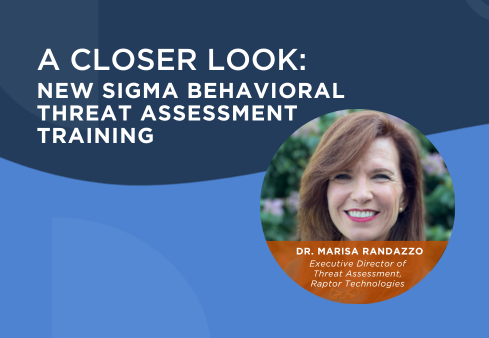
Webinar: A Closer Look: New SIGMA Behavioral Threat Assessment Training
Watch this webinar for a closer look into how the recent addition of Behavioral Threat Assessment experts from SIGMA Threat Management to Raptor Technologies can elevate your school safety initiatives.
6. Choosing a System That Scales to Your Behavioral Threat Assessment Program’s Needs
The success of your behavioral threat assessment program hinges on having the right technology to support its growth. A truly customizable threat assessment software for schools can enhance staff collaboration and streamline administrative efforts by:
- Providing a central, secure repository for documenting, storing and accessing case details, student chronologies, tasks, interviews and follow-ups.
- Enabling customization for forms, guidance, tips and workflows to match your school’s behavioral threat assessment methodology.
- Supporting capturing low-level concerns, so staff can easily see patterns and a need for early help and support, improving student outcomes.
Look for a platform that seamlessly transfers student data across your district to eliminate data gaps caused by manual exports. This streamlines transitions for students moving between schools within your district while safeguarding their data privacy.
TIP:
Your system should do more than save time; it should also enable your team to focus on creating positive outcomes for students, not on administrative tasks.
FEATURED RESOURCE
Webinar – Hiding in Plain Sight: The Threats We Miss in Schools
Schools are filled with subtle signs—missed signals that, when connected, can reveal hidden threats. This exclusive webinar will show you how to piece together the seemingly unrelated dots that can prevent tragedy.

7. Best Practices for Building a Proactive School Safety Culture
Finally, true safety comes from creating a school environment where your students feel heard, supported, and empowered. Creating a successful school violence prevention program involves building a culture of trust, empathy, and open communication.
Here are practical steps to strengthen your student behavior intervention strategies:
- Foster Two-Way Communication: Encourage students to voice concerns, whether it’s about themselves or peers and provide avenues for anonymous reporting to reinforce the idea that no concern is too small or unimportant to be addressed.
- Prevent Bullying and Violence: Develop and enforce clear policies that promote respect, kindness, and accountability at all levels of the school community.
- Make Listening a Priority: Teachers and staff should be trained to actively listen to students not only in academic settings but also in moments of emotional need, creating a safe environment.
When your students feel genuinely supported, connected to their peers, and trusted by adults, they are far more likely to report concerns. This builds a school atmosphere rooted in mutual respect, care, and a shared commitment to safety and wellbeing.
Creating a safe school environment is a collective effort that also thrives on the partnership between parents and schools. Through prioritizing early engagement, nurturing trust, and maintaining open lines of communication, both groups can work together to address potential threats. With proactive documentation and collaboration, your school not only improves the effectiveness of behavioral threat assessments but also empowers parents to be active participants regarding their student’s safety.
FEATURED RESOURCE
Blog – 5 Ways to Improve Home-School Partnerships During BTAs
Actionable takeaways to improve home-school partnerships during BTAs, so both parties can work together to help the student off the pathway to violence.


Request a Demo
See why Raptor is the leading provider of integrated school safety software solutions
"The safety of our students and staff is our #1 priority and having Raptor gives us that extra sense of security."

"Having an all-in-one solution, like Raptor is the best!"
"I think Raptor offers the best in its class. Nothing beats it."