The majority of U.S. states now require or recommend some form of K-12 student cellphone ban during school hours. At the same time, hallway and bathroom pass requests are rising for many schools, as students find workarounds to these new policies, checking their phones from lockers, backpacks, and bathrooms during instructional time.
Administrators still relying on paper hall passes have no way to see which students might be exploiting that visibility gap. Understanding student workarounds and how the right digital hall pass system prevents excessive pass requests can help schools enforce cellphone policies more effectively.
SUMMARY
Bell-to-bell cellphone bans can be difficult to enforce in K-12 settings where paper hall passes are used. Schools need to understand how students attempt to circumvent cellphone bans, why paper hall passes can’t track these workarounds, and what successful schools are doing to manage student movement and cellphone use with digital hall pass systems like Raptor SmartPass.
Table of Contents
How Many States Have Bell-to-Bell Cellphone Bans?
Currently, 38 states and Washington, D.C. have some form of legislation banning or restricting student cell phone use during the school day. Some of these laws require districts to develop their own policies; others are a statewide policy, governing all districts equally.
New/Upcoming K-12 Cellphone Ban Policy Requirements, State by State
| State | Ban Type | Effective |
|---|---|---|
|
Instructional time |
2026-2027 school year |
|
|
District’s discretion |
2026-2027 school year |
|
|
Instructional time |
2026-2027 school year |
|
|
Bell-to-bell |
2026-2027 school year (K-8) |
|
|
Bell-to-bell (K-8) |
2026-2027 school year |
|
|
Bell-to-bell |
2027-2028 school year |
|
|
Bell-to-bell |
2026-2027 school year |
|
|
Bell-to-bell |
2026-2027 school year |
|
|
Bell-to-bell |
2026-2027 school year |
|
|
Bell-to-bell |
2027-2028 school year |
|
|
Instructional time |
2026-2027 school year |
|
|
Instructional time |
2026-2027 school year |
|
|
Bell-to-bell |
2026-2027 school year |
|
|
Bell-to-bell |
2026-2027 school year |
|
|
Bell-to-bell |
2026-2027 school year |
|
|
Bell-to-bell |
2026-2027 school year |
|
|
Instructional time |
2026-2027 school year |
|
|
District’s discretion |
2026-2027 school year |
This wave of legislation comes on the heels of the 2026 U.S. Surgeon General’s Advisory on the harms of screen use. The advisory recommends bell-to-bell policies specifically because of their potential to
- reduce classroom distraction
- support student mental health
- improve academic outcomes
As schools comply with bell-to-bell cellphone bans, staff need solutions that help them protect instructional time if their students begin requesting more passes to access their phones. Additionally, it’s helpful to be aware of the workarounds students are coming up with to access their cellphones.
How Students Use Hall Passes to Get Around Cell Phone Bans
With so many school districts enforcing cell phone bans—either during instructional time or for the entire school day—the workarounds students have developed include
- buying cheap decoy phones to put in designated phone lockers or pouches
- hiding small devices like AirPods or smart watches inside hoodies and pockets
- putting empty phone cases in designated phone lockers or pouches
- breaking the locks on designated phone lockers or pouches
- checking devices while out of class, in the bathroom, or at their lockers
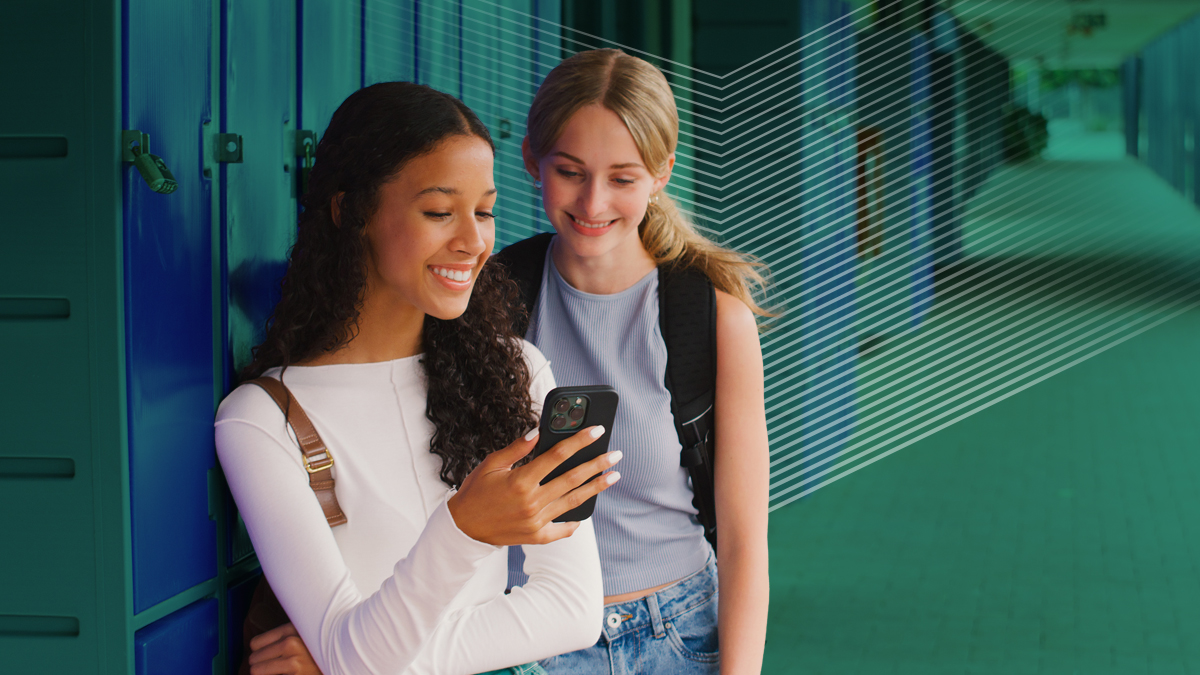
That last method is one of the simplest. Students leave class on a hall pass to use their devices while out of sight of school staff. This workaround can also be very difficult to catch if administrators don’t have the right systems in place.
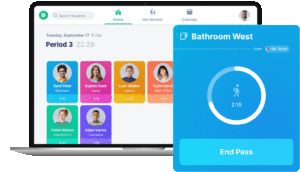
Without a centralized digital hall pass system, administrators would have to stand in the hallways to see which students are requesting passes every period, which periods see spikes in hall pass requests, or whether the same handful of students are coordinating their pass requests to meet up at their lockers. Digital hall pass systems like Raptor SmartPass give administrators better visibility with pass activity logs to help identify usage patterns by student, time of day, and location.
The Psychology Behind the Workarounds
Why are students going to such lengths to access their phones for even a few minutes during school hours? Smartphone and social media use can be incredibly addictive and habit forming.
Pew Research found that 45% of teens feel like they spend too much time on social media, up nearly 10% from 2022, and 44% of teens say they’ve tried and mostly failed to cut back on their smartphone use. Spending more time on social media has been linked to negative impacts on personality traits like
- conscientiousness
- emotional stability
- openness to experience
- agreeableness
- extroversion
K-12 cellphone limits during the school day are often implemented to help break this harmful feedback loop and mitigate its effects on student mental health. But that same feedback loop can also make the adjustment to a no-phones-on-campus policy difficult for many students who are addicted to phone use.
4 Best Practices for Managing Hall Passes to Limit Cellphone Use
As more schools adopt cellphone limit policies, it can be helpful to make the following practical adjustments to complement a new phone policy rollout.
1. Set Pass Limits Per Period or Per Day
Rather than leaving requests open-ended or dependent on the individual rules of each teacher, consider using a digital hall pass system to set general pass limits. It’s also a good idea to communicate those limits upfront to students and teachers, to avoid confusion.
Digital hall pass systems still give teachers the autonomy to override such limits when justified (e.g., a bathroom emergency).
2. Flag Repeat Requesters and Overlapping Passes
Digital hall passes give schools better student visibility so staff can see if a student has already requested multiple passes during other periods that same day. Administrators can flag and block specific student pass approvals within the system, automatically preventing unauthorized meetups if they request passes at the same time as certain peers.
3. Address Parent Concerns Early and Clearly
“Many parents don’t like these mandates for fear of something happening,” says Dr. Amy Grosso, Director, Expert in Residence at Raptor Technologies. Parents want to be able to reach their children in an emergency, a common reason for opposing classroom cellphone bans. Educating parents on school policies for safe emergency communication and the benefits of distraction-free learning can help earn parent support for cellphone policy enforcement.
4. Educate And Support Students Through the Transition
Instead of sweeping policies with no explanation, it‘s often more effective to provide positive support, like teaching social emotional learning tactics or encouraging physical play at recess. For example, Harrison School District 2 in Colorado Springs, Colorado bought toys and games like hacky sacks and giant chess pieces to replace unhealthy cellphone use with something more beneficial.
These kinds of approaches help students internalize the benefits of limiting phone use, leading to fewer workarounds and less policy breaking.
The Solution to Increased Hall Pass Requests from Bell-to-Bell Cellphone Bans
Treating phone-policy enforcement as a student movement challenge—and solving it by implementing digital hall passes—can help schools stay ahead of the curve as more bell-to-bell bans go into effect.
Raptor SmartPass gives campus administrators access to hall pass data that can help identify
- if hallway traffic is increasing after implementing a new phone policy
- which students are frequent flyers, requesting more passes than normal
- what kinds of pass limits or interventions could be most effective
See how SmartPass can help improve hall pass management on your campuses.
Recommended Resource
Discover the data behind how digital hall passes reduce unsafe encounters, vaping, and vandalism.